

- What is KAMENOI HOTEL?
- Hotel list
- DNA / History
- Hot springs- Natural Hot springs in all hotels
- Dining
- Activity
- KAMENOI HOTEL Travel Special
- KAMENOI HOTEL MEMBERS





Takamatsu's aesthetic sense.
Continuing from the Edo period
Walking around a bonsai producing area
Kagawa and is famous for its udon noodles.
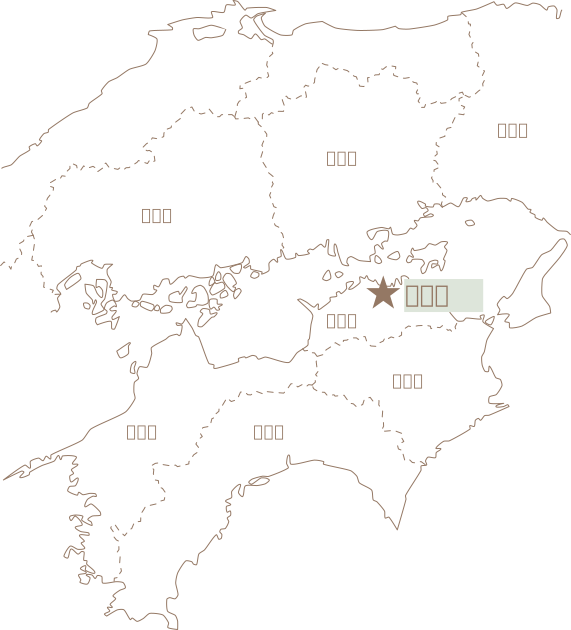
The prefectural capital, Takamatsu City,
It is the number one producer of pine bonsai in Japan.
Its name is known throughout the world.
There are many bonsai gardens in the city.
Many buyers come from overseas to purchase goods.
When and how did bonsai start growing here?
Let's find out why it's become so popular.
Transmitted from ancient times
Bonsai: A miniature world in a pot
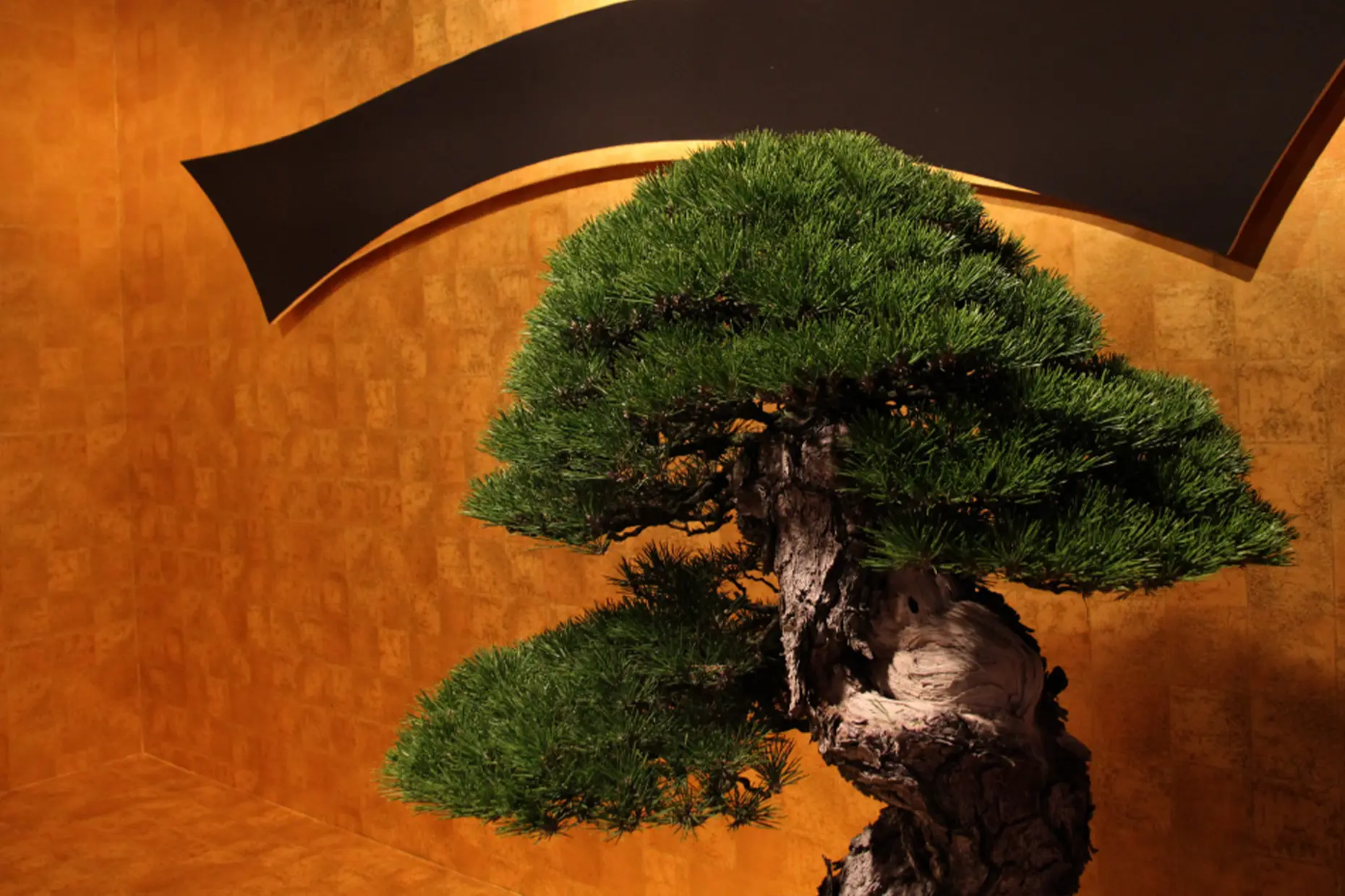
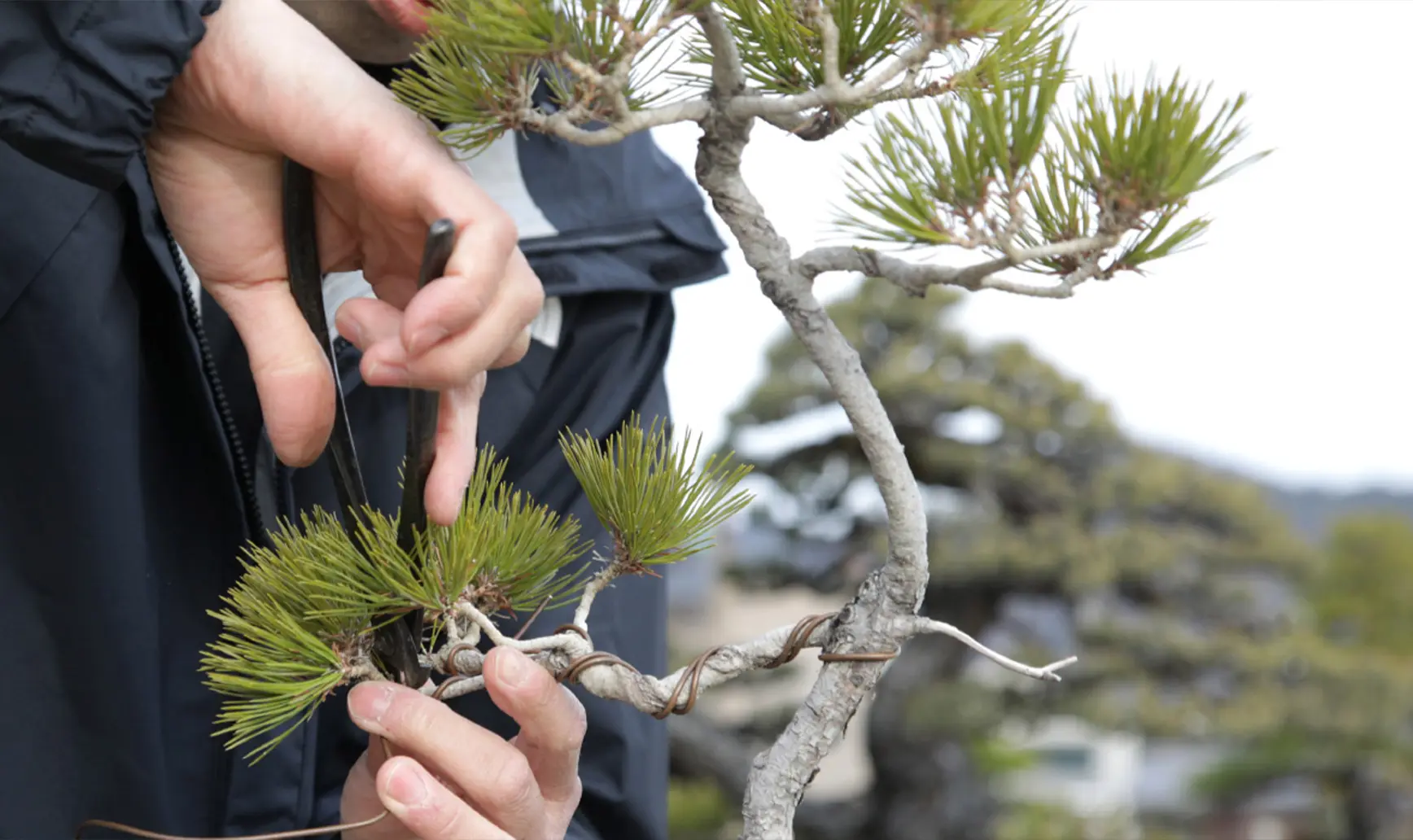
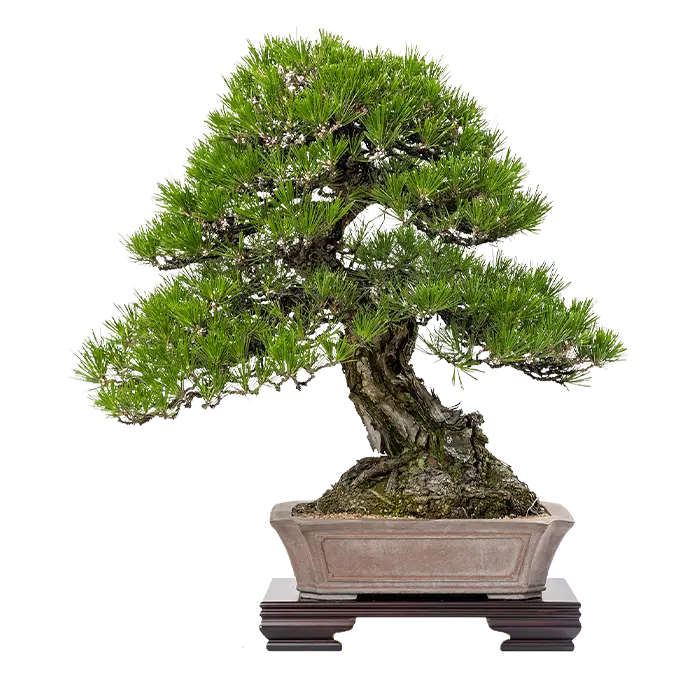
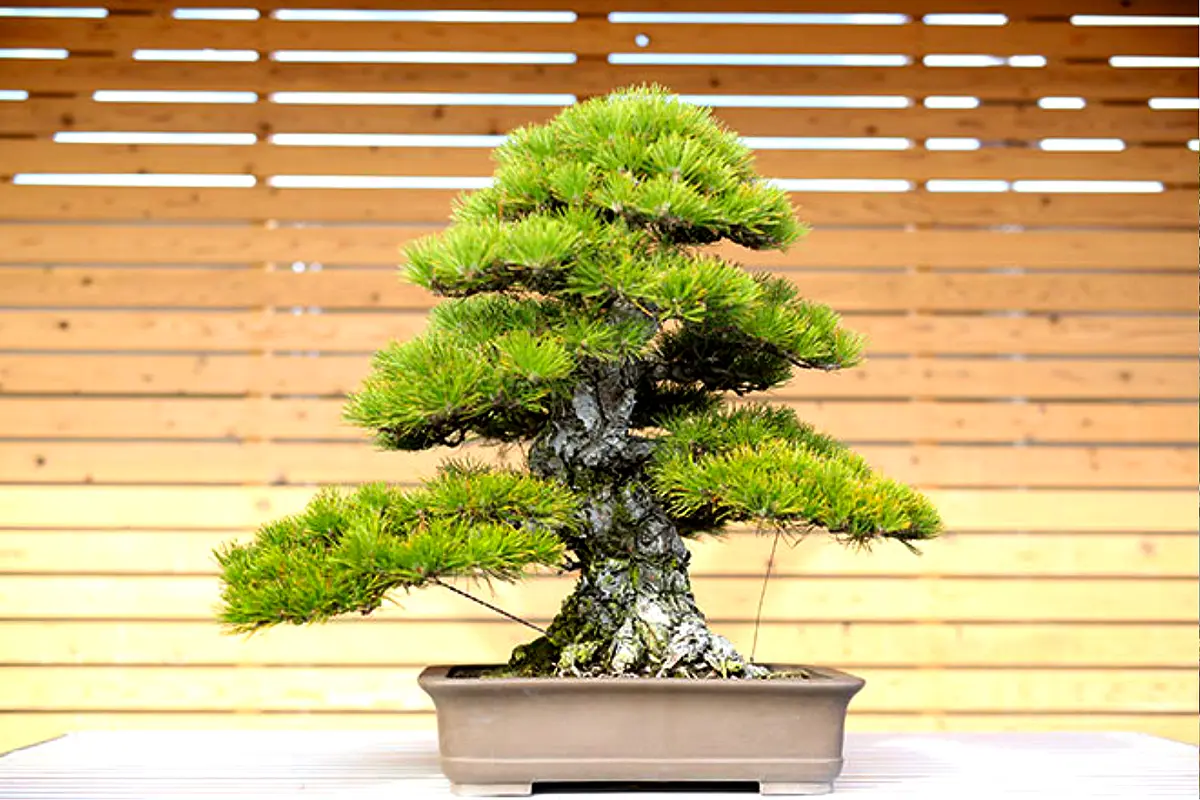
Bonsai are trees planted in shallow tray-like pots. Sometimes the branches are bent and moss is grown, creating a Japanese garden or nature itself in a small pot, which is cultivated over many years. Typical trees are the pine, which has been loved in Japan since ancient times, and the Japanese cypress, a member of the cypress family whose trunks and branches turn white. There are also leafy, flowering and fruity varieties.
Its origins date back to the Heian to Kamakura periods. It originated from "bonkei" (decorated landscapes) introduced from China, and became popular among shoguns and monks during the Muromachi period. In the late Edo period, it spread to the common people, and the name we now call bonsai appeared. In 1873 (Meiji 6), bonsai were displayed overseas at the Vienna World Exposition, and during the war, people in political and business circles treasured their bonsai so much that they evacuated them. Nowadays, bonsai is more highly regarded overseas than in Japan, and there are even foreigners who make the effort to visit Japan to train in bonsai.

Takamatsu bonsai has
It has a history of about 200 years
Bonsai began to be created in Takamatsu, Kagawa Prefecture during the Edo period. It is said that Takamatsu bonsai began about 200 years ago when wild trees were planted in pots and sold.
Takamatsu has a warm climate with little rainfall and little difference in temperature between summer and winter, and has good drainage. Furthermore, with the addition of grafting and pruning techniques, it has become the number one producer of pine bonsai in Japan. Goyomatsu and Kuromatsu are actively exported overseas, and in France, Takamatsu bonsai pruning demonstration events are held. It would be interesting to see how they are loved and displayed overseas.

Kinashi and Kokubunji areas,
A town dotted with bonsai gardens
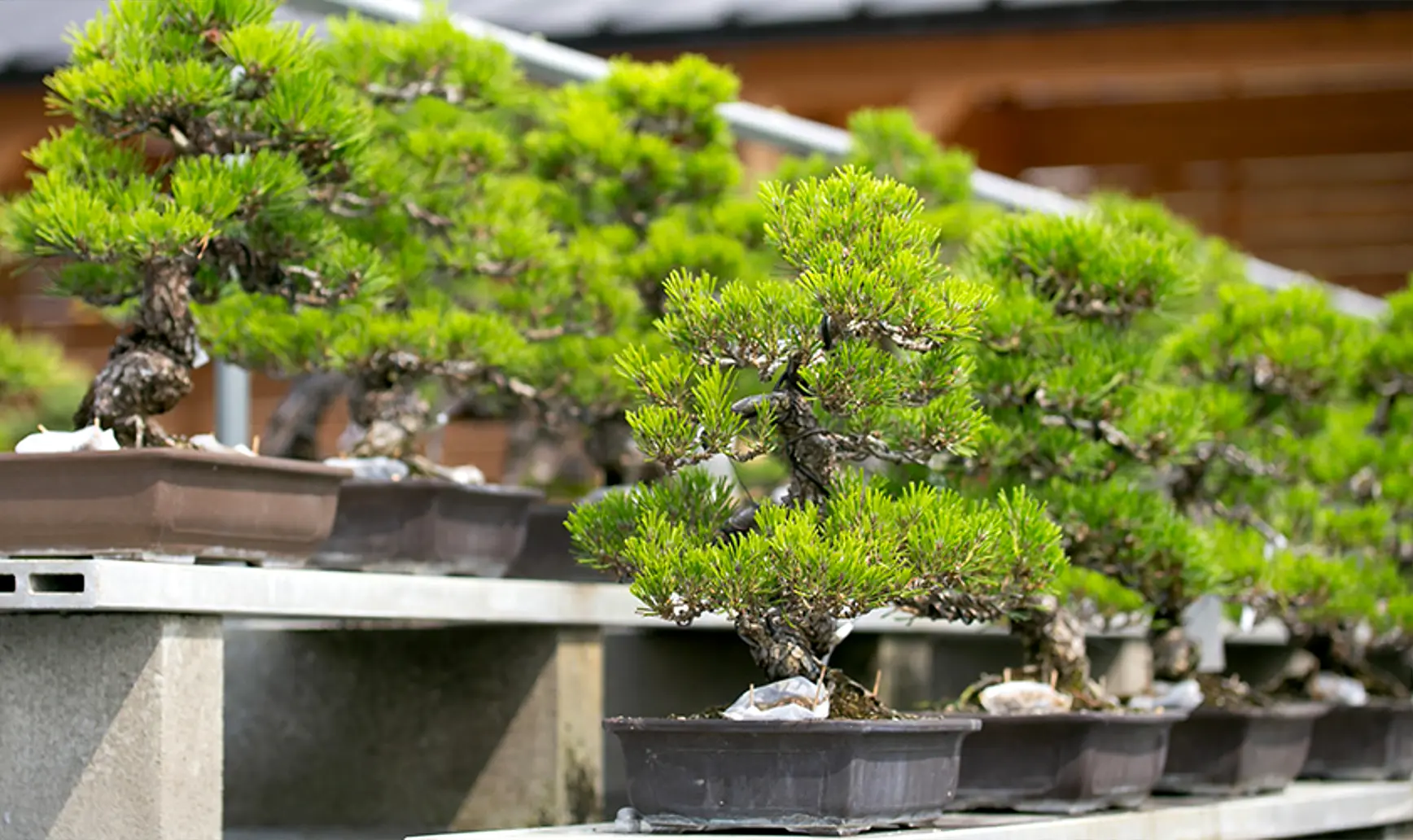
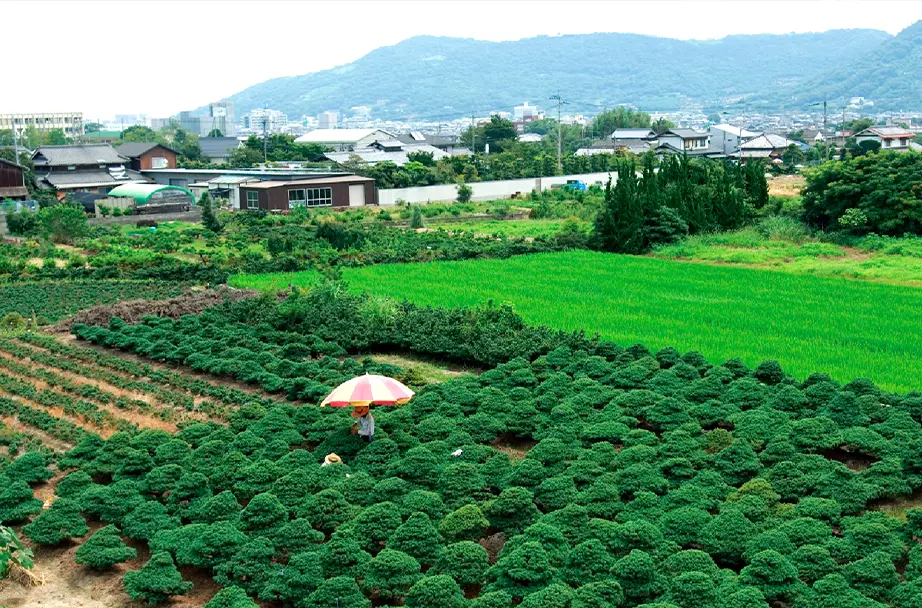
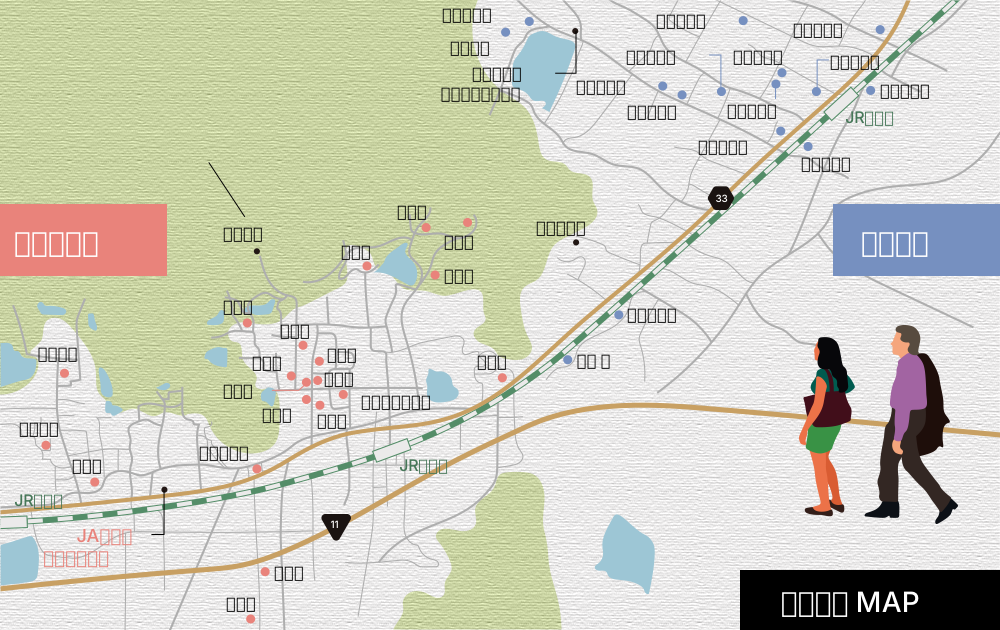
There are about 60 bonsai producers in Takamatsu. Bonsai gardens are concentrated in the city's Kinashi and Kokubunji districts, and these two areas alone account for 80% of the national share of pine bonsai. Takamatsu bonsai is characterized by the fact that pine trees are not purchased and then trained into bonsai, but are instead grown from seedlings. Just walking around, you can see fields lined with rows of pine trees as well as bonsai in pots, and you can really feel that this is a production area.
In addition, local elementary schools have comprehensive study classes where students learn about bonsai, and the city holds many bonsai and plant-related events. It is clear that the citizens and producers are proud of this land and are promoting it as a bonsai town.
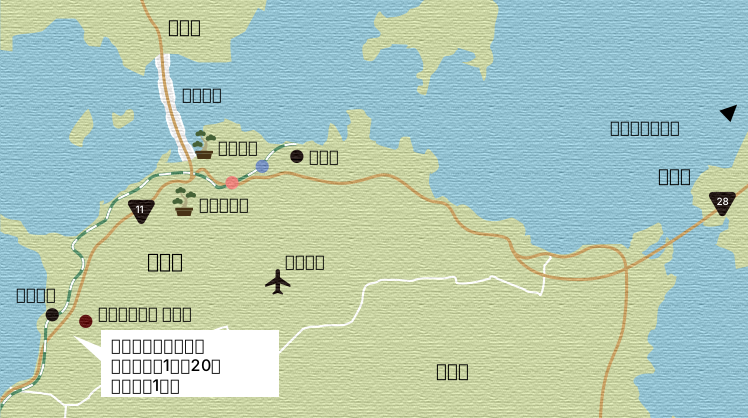
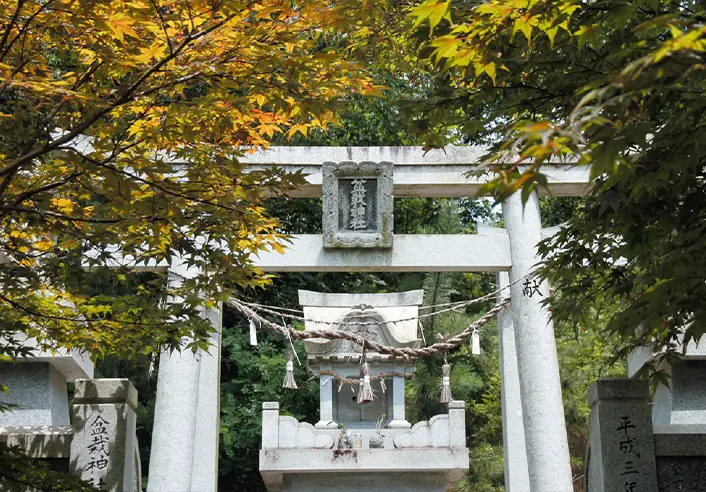
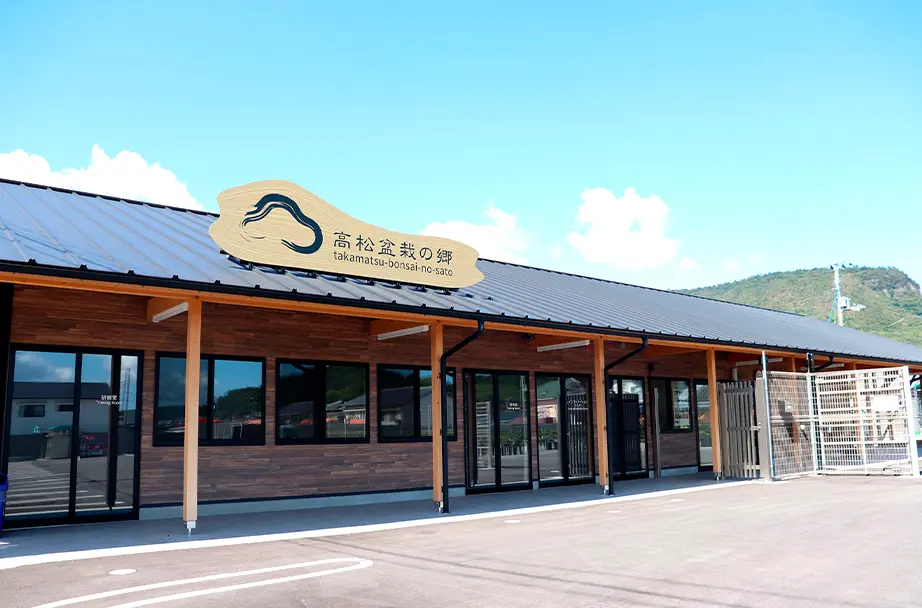
Find your favorite at Takamatsu Bonsai Village
If you want to get your hands on a Takamatsu bonsai, head to Takamatsu Bonsai no Sato. There are over 10,000 bonsai and seedlings on display, ranging from affordable to expensive and precious, so be sure to find one you like. There is also a bonsai rental service available, although this is limited to Kagawa (excluding islands). You can easily incorporate bonsai into your space, whether it's for celebratory occasions, or to decorate your store or home.
Recommended Hotel
Recommended hotels
A base for sightseeing in Kagawa
Suitable,
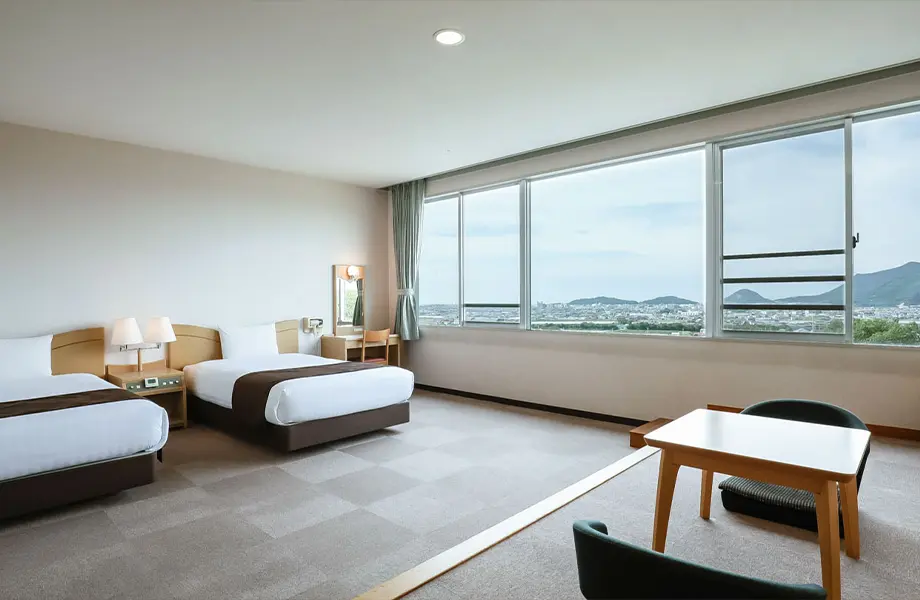
An inn with a panoramic view of the Seto Inland Sea
KAMENOI HOTEL KANONJI

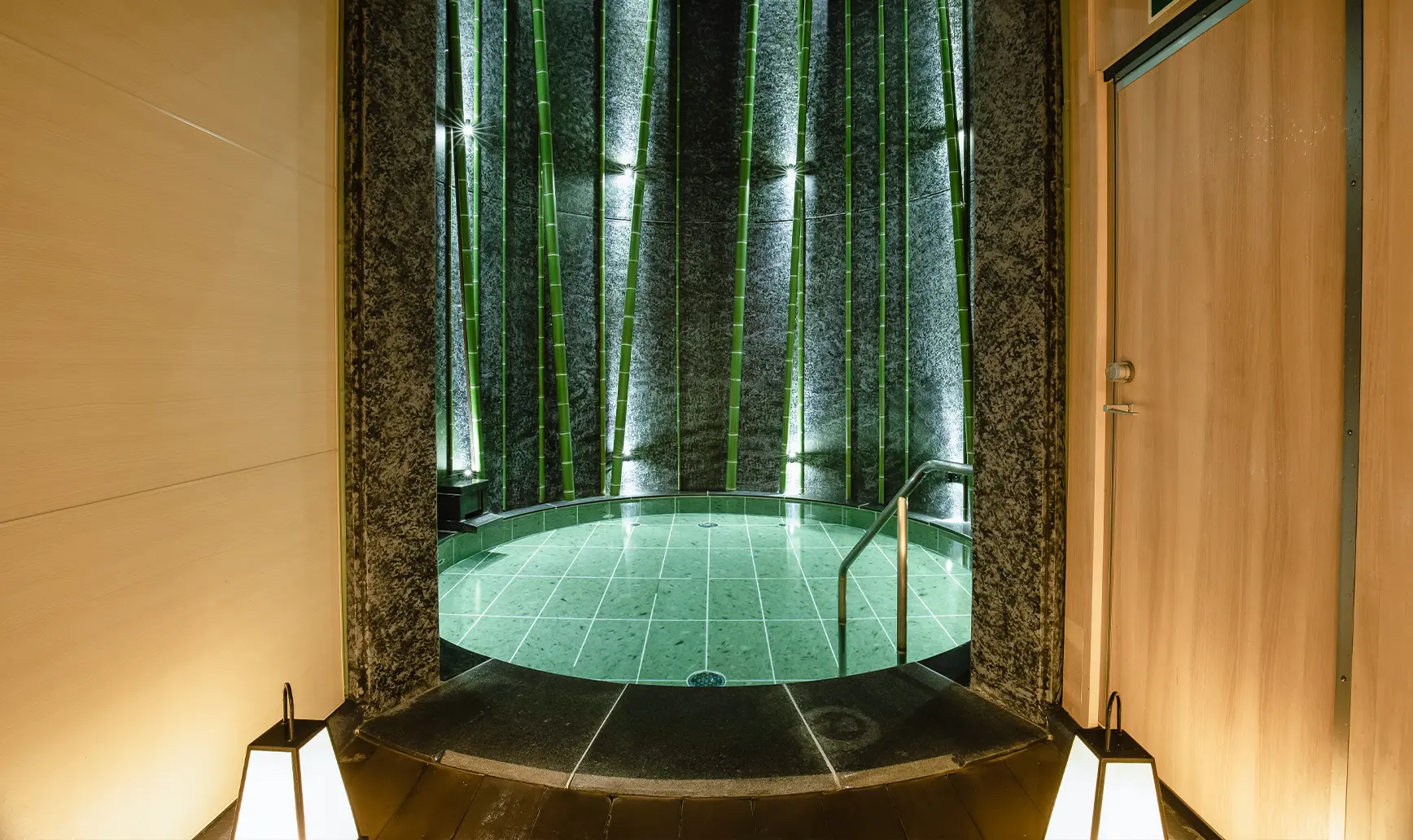
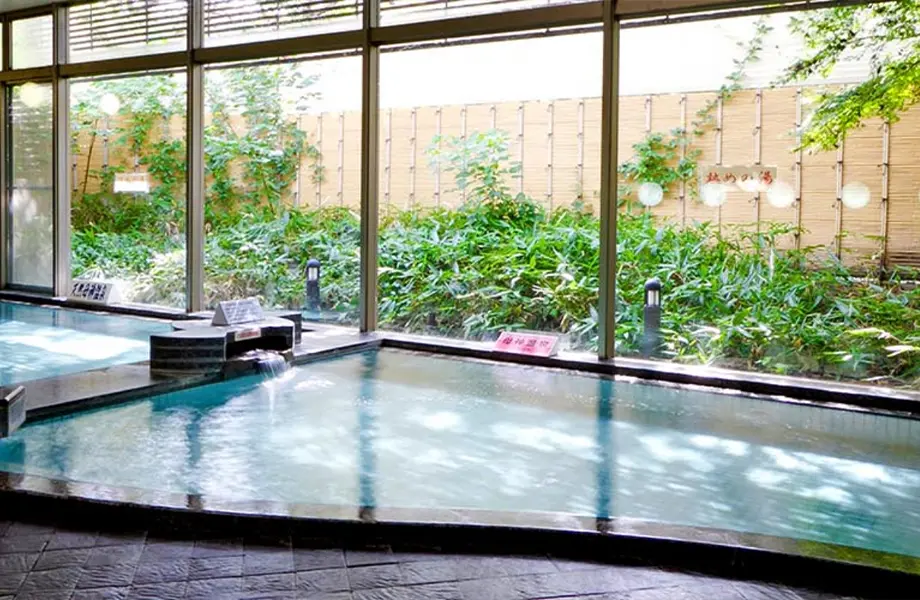
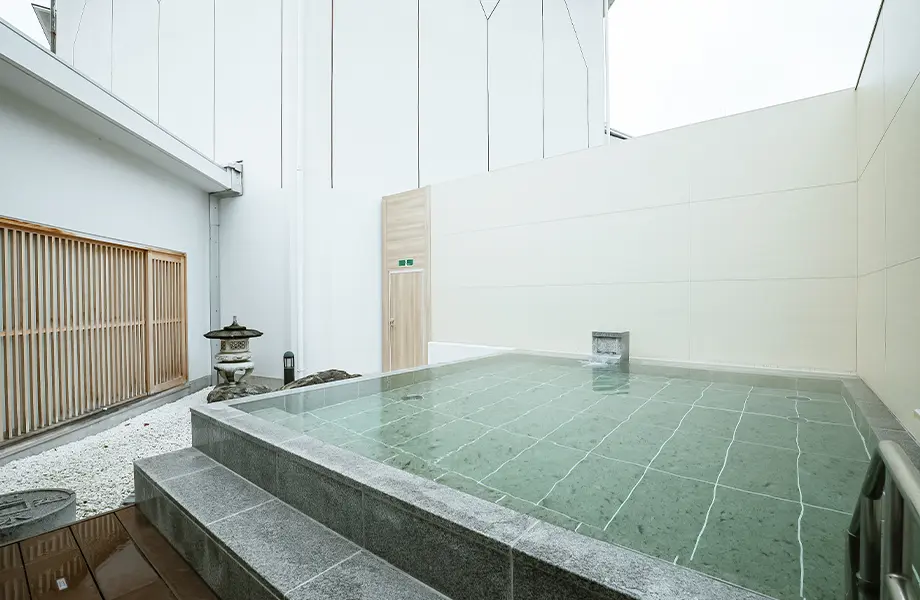
There are two types of open-air baths.
A unique Hot springs experience
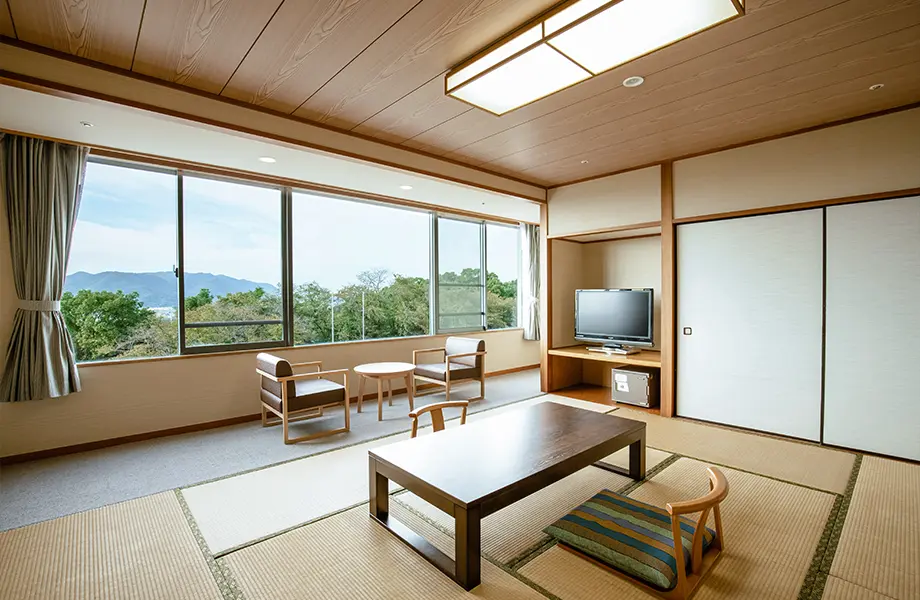
KAMENOI HOTEL KANONJI is a base for sightseeing in Kagawa, including pilgrimages to Konpira Shrine and the 88 sacred sites of Shikoku.
Once you've checked in, head to the natural Hot springs to instantly soothe your travel fatigue. There are two unique open-air baths, one called Madoka-no-yu, which resembles a bamboo forest, and the other called Kotone-no-yu, where you can enjoy the sound of a suikinkutsu (a Japanese traditional water harp). It is said to be good for recovering from fatigue, neuralgia, and joint pain, and is known for not cooling down easily after the bath. Combine it with the sauna to reset both your body and mind.
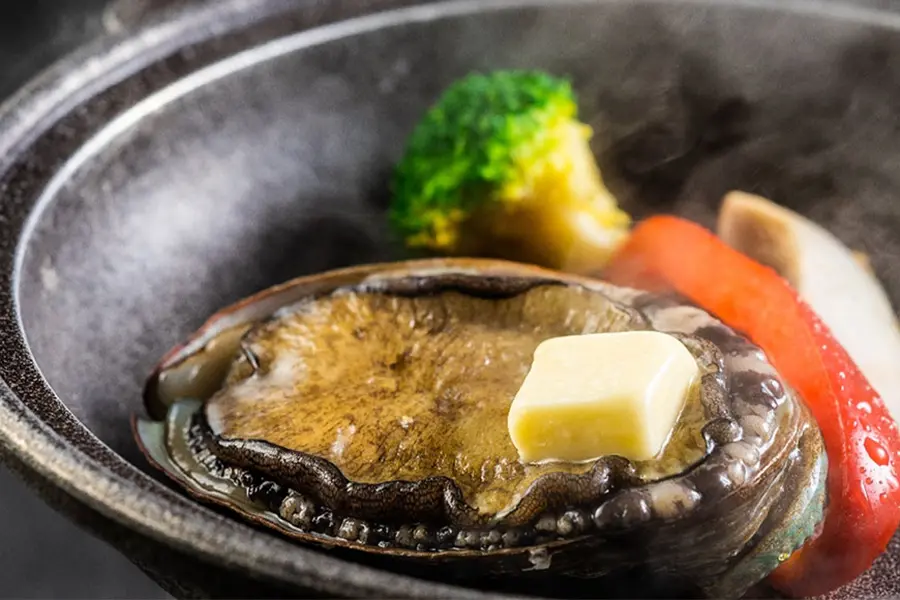
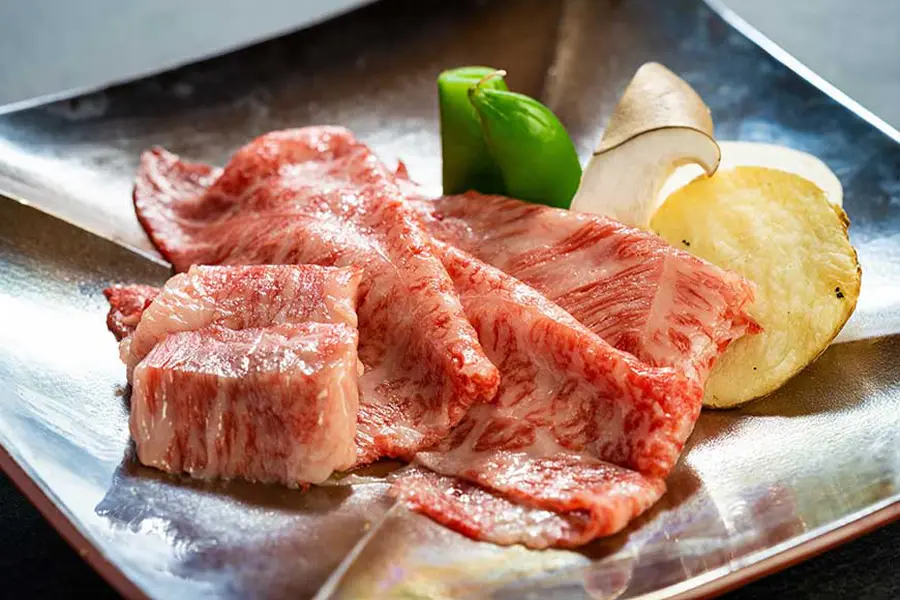
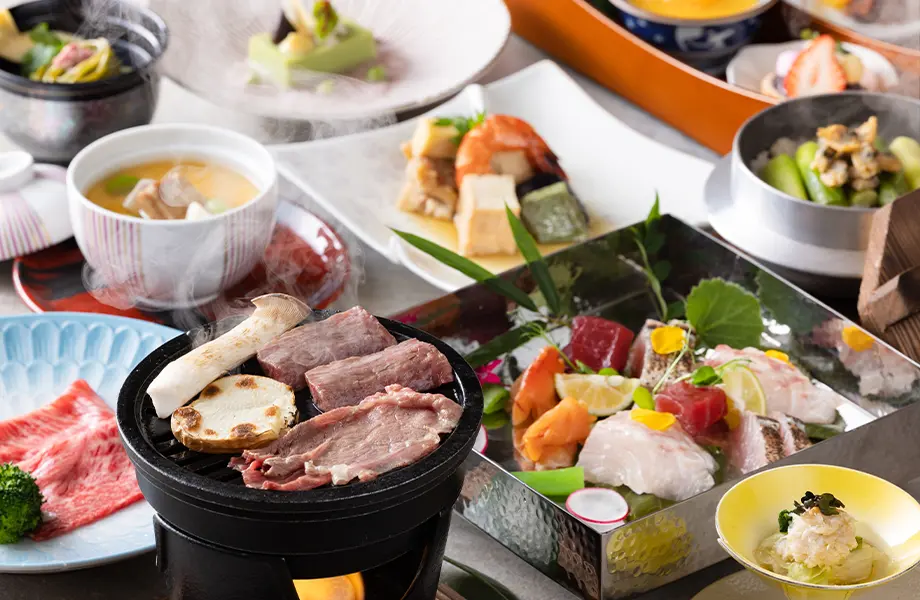
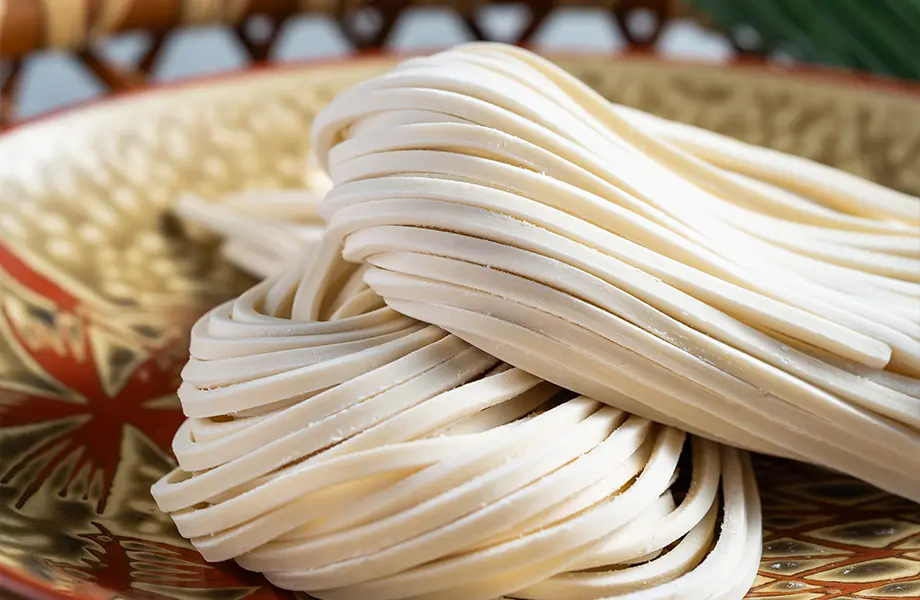
Olive beef, abalone, and Sanuki udon
Enjoy this land
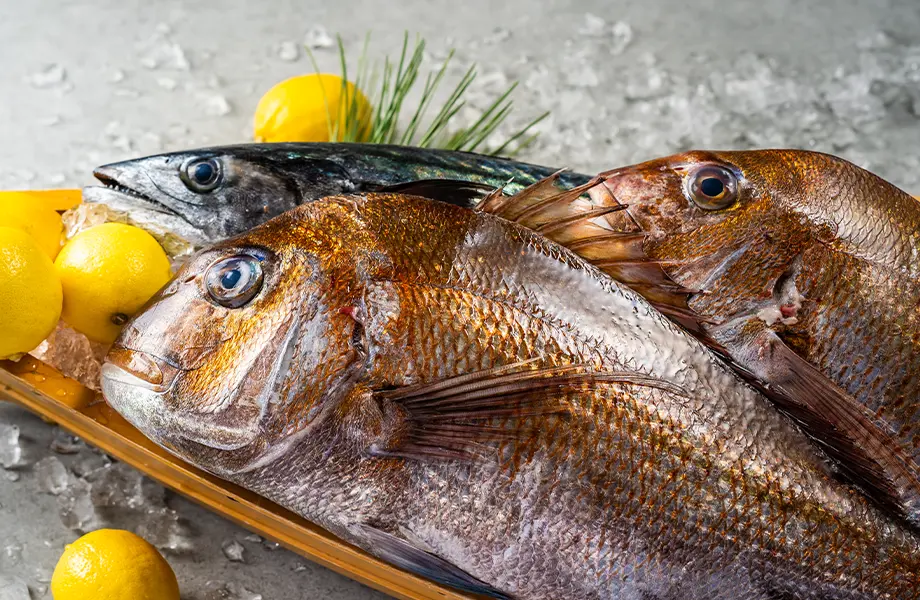
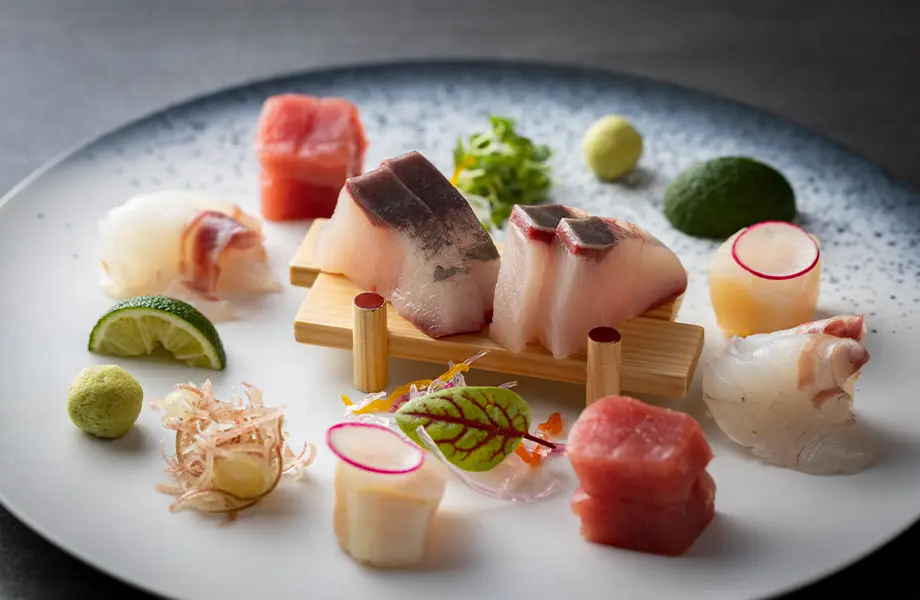
At KAMENOI HOTEL KANONJI, we always bring out the best in local ingredients and serve delicious cuisine through ingenuity and creativity.
Thanks to you, we won second place in the Chugoku/Shikoku area cuisine category in the "Hot springs Inn/Hotel General Election 2024." You can enjoy delicious food that can only be found here, such as premium olive beef (available all year round), live grilled abalone, and Marugame's local gourmet bone-in chicken.
- The General Election for Hot springs Inns and Hotels is a Hot springs resort ranking project organized by the Travel Japan Project, which is backed by five government ministries and agencies, including the Ministry of the Environment and the Japan Tourism Agency.
Nearby Spots
Nearby spots
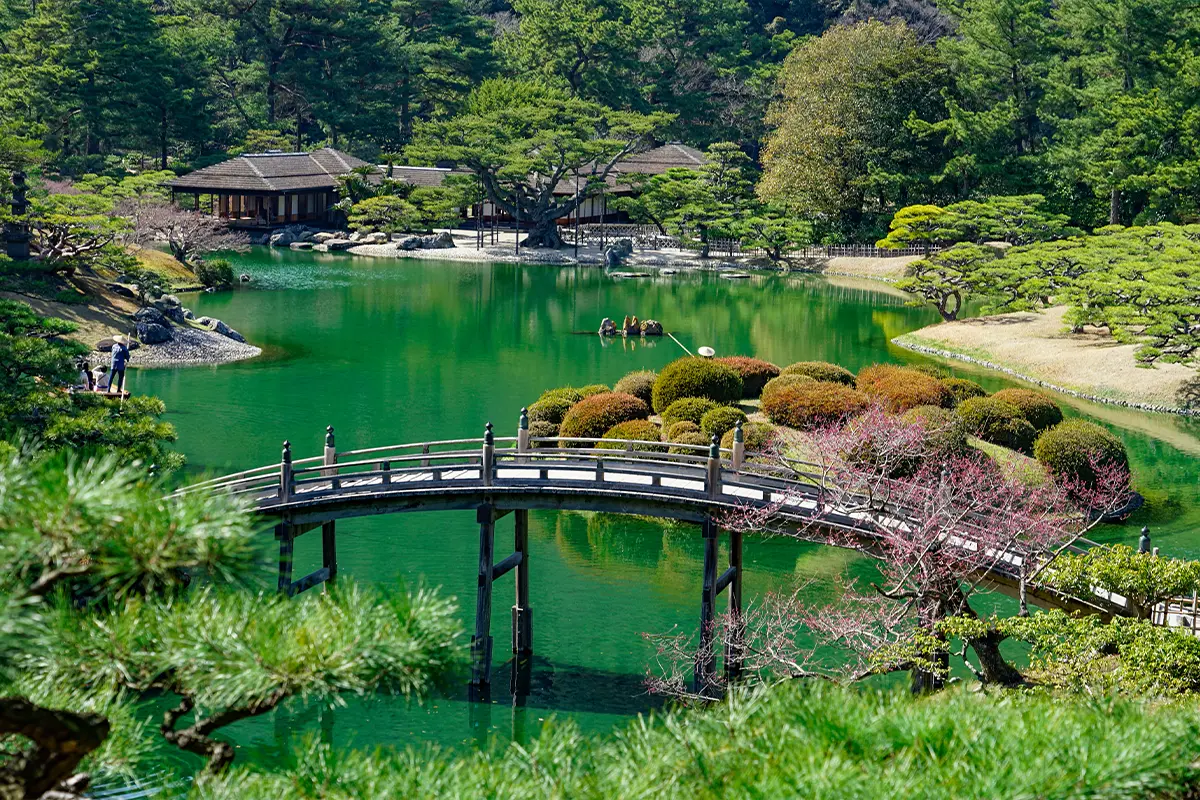
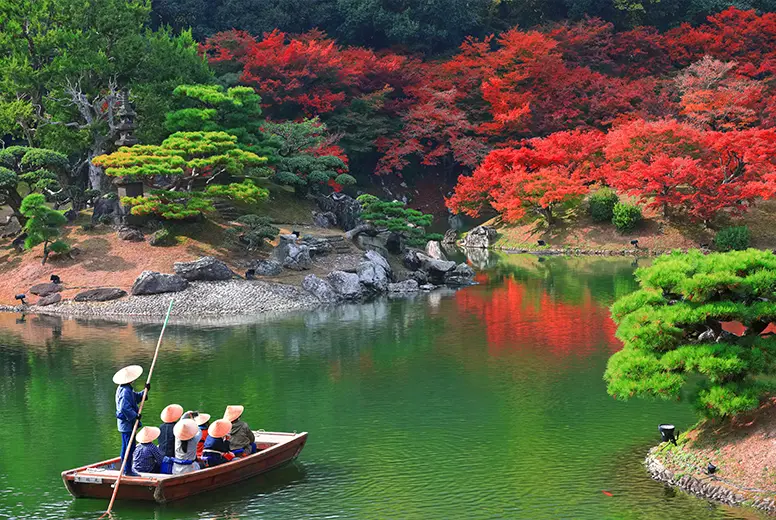
Mount Shiun in the background at the huge Ritsurin Garden
Experience the beauty of each season
Ritsurin Park has been highly praised in overseas guidebooks and garden magazines, and attracts many people from Japan and abroad. For 228 years, it was used as the secondary residence of the Matsudaira family of the Takamatsu Domain. It is the largest garden designated as a cultural property in Japan, covering an area of about 75 hectares including Mt. Shiun behind it. It is made up of six ponds and 13 artificial hills, and one of the highlights is Kikugetsutei, where a large Japanese white pine tree stands. It is said that this tree grew large after being planted as a bonsai gift from the 11th Tokugawa Shogun, Ienari. The Japanese white pine tree is said to wait for good work, which is a pun on the word, and brings work. It is a must-see for those who want to improve their luck at work. It is about a 55-minute drive from the hotel.

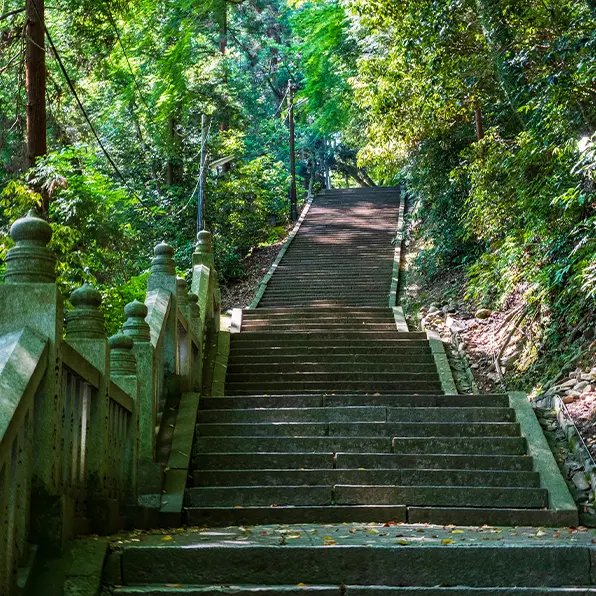
Konpira Shrine
Nicknamed Konpira-san, it is said to bring good harvests, good catches, and prosperity in business. You can also appreciate the sliding screen paintings by Maruyama Okyo, a painter from the late Edo period. It is about a 25-minute drive from the hotel.
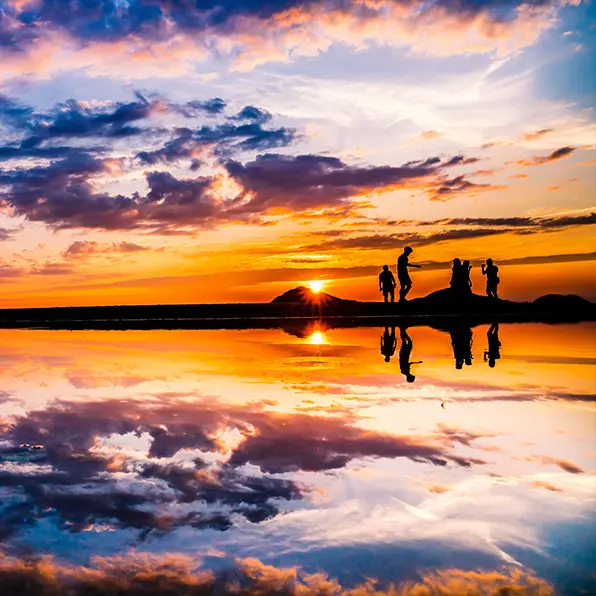
Chichibugahama Beach
The beach stretches for about 1 km. At low tide, the tide pools become like mirrors, allowing you to take beautiful photos. It is about a 20-minute drive from the hotel.
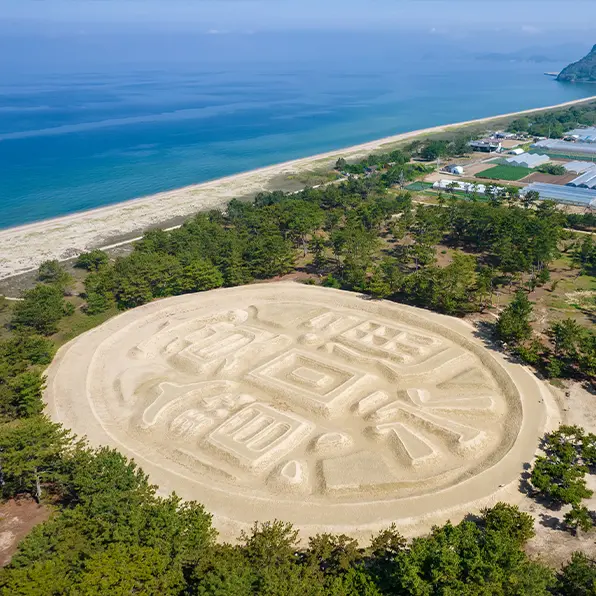
Zenigata Sand Painting
A giant sand painting that is said to make you healthy, live a long life, and never have financial problems if you see it. It is modeled after a coin from the Edo period and was completed in one night. It is about a 15-minute drive from the hotel.