
- What is KAMENOI HOTEL?
- Hotel list
- DNA / History
- Hot springs- Natural Hot springs in all hotels
- Dining
- Activity
- KAMENOI HOTEL Travel Special
- Loyalty Program
GoTo Pass







World-renowned Japanese cuisine,
has its roots in the towns of Edo
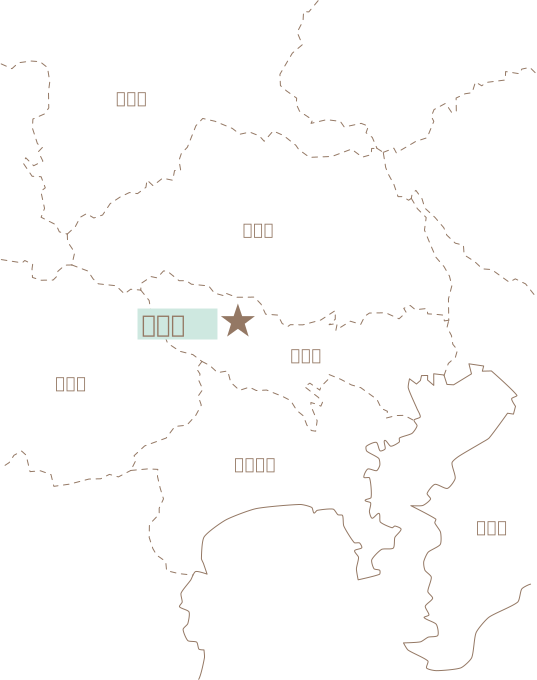
Ome-shi is located in Tokyo, yet is surrounded by nature.
In the Tama area (formerly Musashi Province), which includes Ome,
vegetables have been cultivated since ancient times to supplement the nutrition of Edokko people,
and it contributed to improving their health.
The town of Edo is also known for having produced Japanese cuisine,
celebrated worldwide, starting from street food.
Rewind time to the Edo period.
Let's experience Japan's food culture that continues to this day.
Ingredients traveled from Kansai to Edo,
Food shifted to three times a day
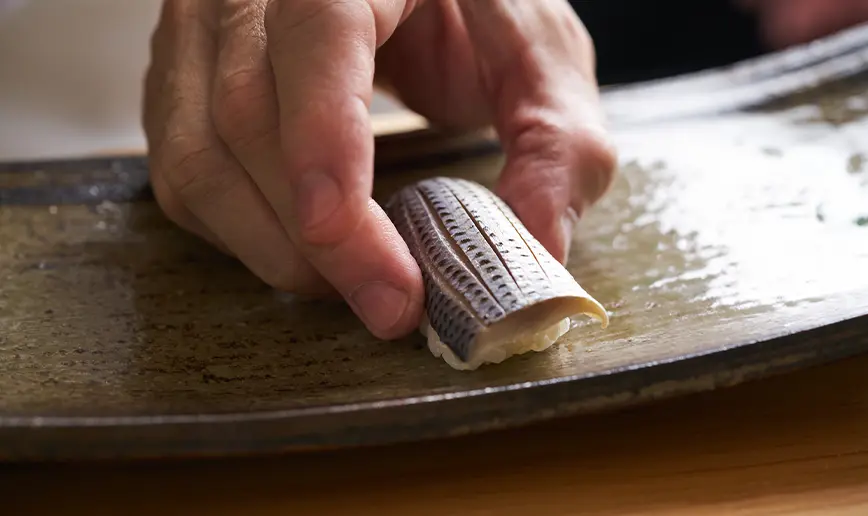
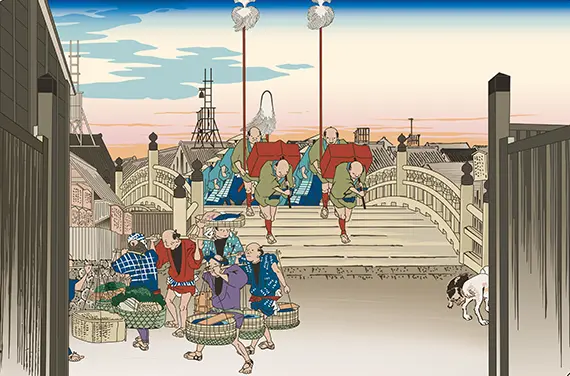
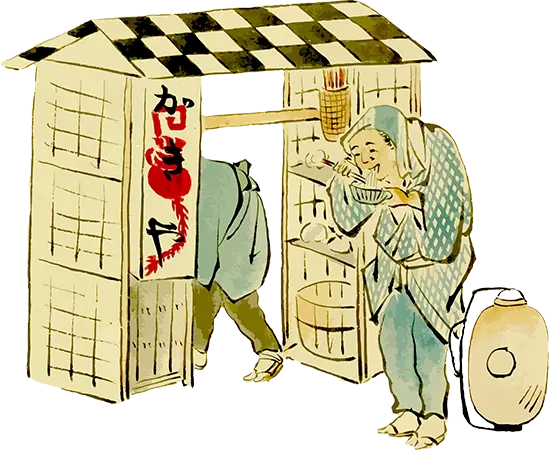
During the Edo period, people and goods gathered in the city of Edo from all over Japan. As the population increased, food stalls became popular as a way to eat hassle-free food. Sushi, soba, tempura, and other foods were part of the food culture enjoyed by ordinary people at food stalls. The kelp and soy sauce used in these dishes were introduced from the Kansai region, but Edo developed its own unique flavor.
In addition to changes in cuisine and ingredients, the number of food consumed also changed around this time. With the large number of physically demanding artisans in Edo and the widespread use of kerosene for lighting, people went from eating two meals a day to three meals a day.
This shows how Japan's food culture, which has been passed down through the ages, developed from the Edo period.

Edo Tokyo vegetables,
Connecting health and wellness
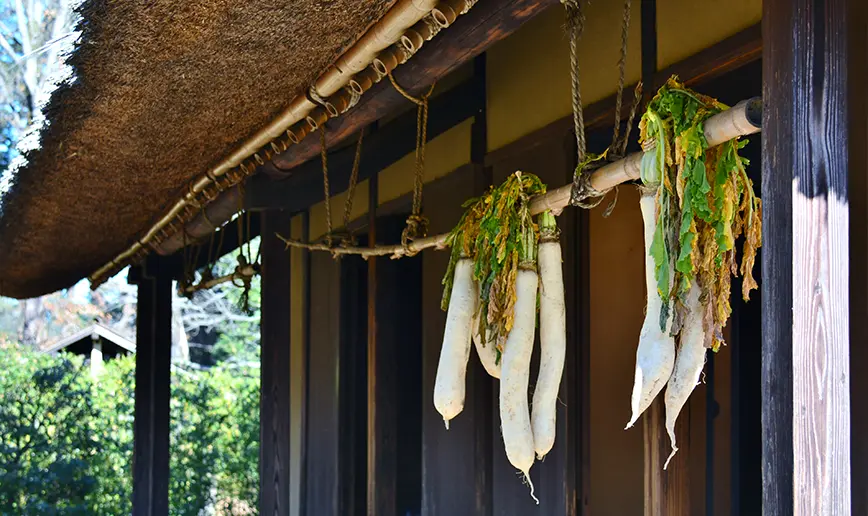
Commoners in Edo began to eat white rice, something that previously only people of high social status could eat. However, around that time, "Edo disease" (beriberi) became widespread. The vitamin B1 contained in the germ of rice was stripped away by polishing the rice, and people ate few side dishes, leading to nutritional imbalance.
As a result, vegetable cultivation was encouraged in the Edo area, and feudal lords who commuted to Edo for alternate attendance began cultivating vegetables by bringing them from various regions. These traditional vegetables from the Edo period are now called Edo-Tokyo vegetables, and there are actually more than 52 varieties. In the Tama area, including Ome, many traditional vegetables such as Tokyo angelica, norabona, Okutama wasabi, and Mitaka Osawa wasabi are lovingly grown by local people thanks to the efforts of producers.
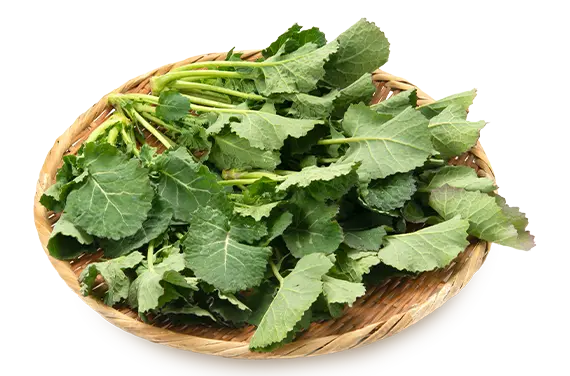
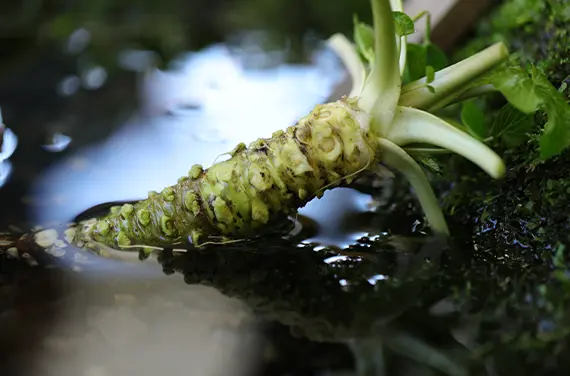
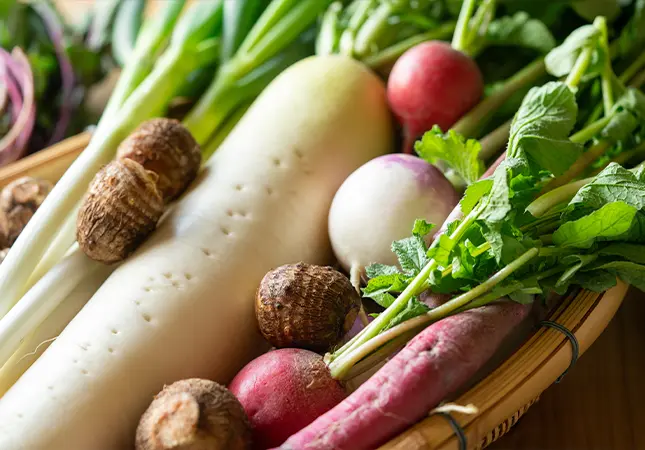

Food stalls and restaurants appeared,
Dining out culture continues to this day
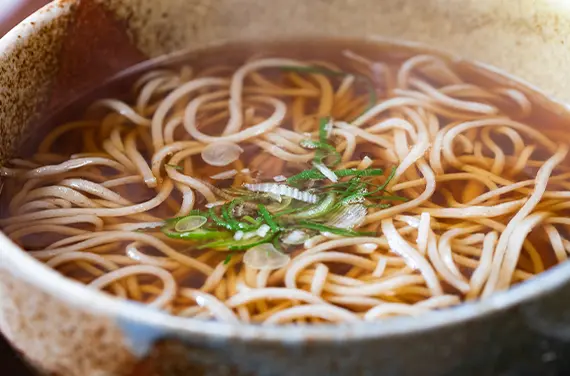
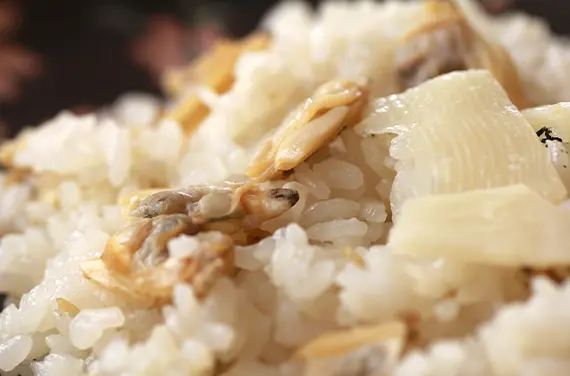
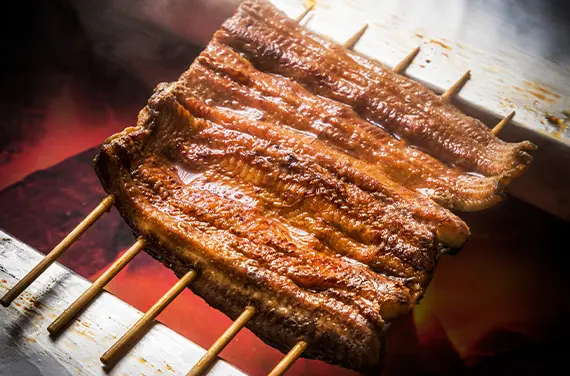
In the Edo period, food stalls and restaurants increased in number, and the prototype of today's eating out culture was born. Edo-style nigiri sushi, tempura, soba noodles, skewers of eel, and Tokyo's local dish Fukagawameshi were all eaten at food stalls. In the rural towns around Edo, buckwheat was cultivated and people made buckwheat noodles at home on a daily basis.
Ome flourished as a post town on the Ome Kaido road and was a key location for the distribution of buckwheat flour, so there must have been soba restaurants here since ancient times, filling the stomachs of travelers and traveling merchants. Pilgrims to Mt. Mitake, an object of mountain worship, must have also eaten soba here to fill their stomachs before setting off to their destinations. If you visit Ome, try some traditional Japanese cuisine while thinking about the history of food in Edo.
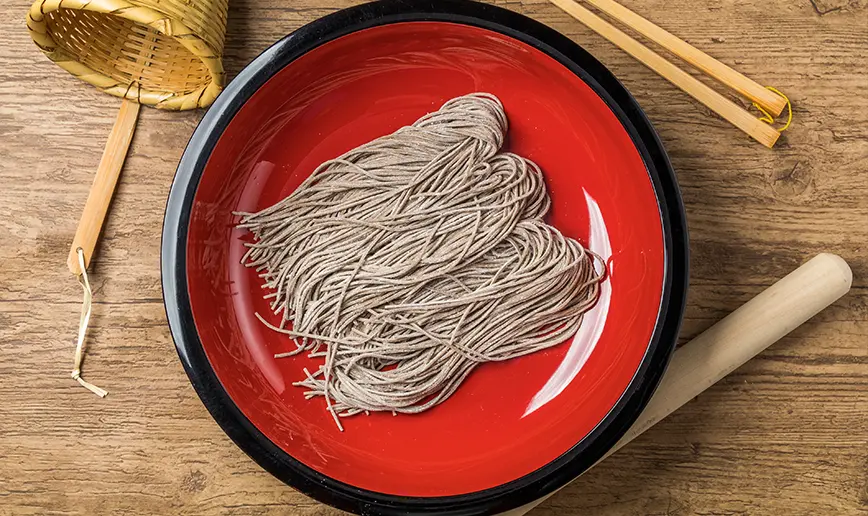

Experience making soba noodles in style in Ome, Tokyo!
Why not try making soba noodles in Ome, where soba culture still lingers?
This is a rare opportunity to learn from a professional instructor about the process of kneading, rolling, and cutting soba noodles. The experience of tasting soba noodles that you have made yourself is sure to be a memorable experience of your trip. Please take this opportunity to try it out.
![[Soba noodle making experience]](/special/tabi-story/ome-washoku/img/story/grid3/06.webp)
[Soba making experience]
Venue|Okutama Seiryu Resort KAMENOI HOTEL OME |Every Saturday Duration|Approximately 60 minutes
Price|2,970 yen per person (tax included)
Click here for details >>>
Recommended Hotel
Recommended hotels
A scenic hotel along the Tama River
that makes you forget you are still in Tokyo
Okutama Seiryu Resort KAMENOI HOTEL OME
Edo Tokyo vegetables and dishes that have been passed down since the Edo period
Now is the time to enjoy it to the fullest
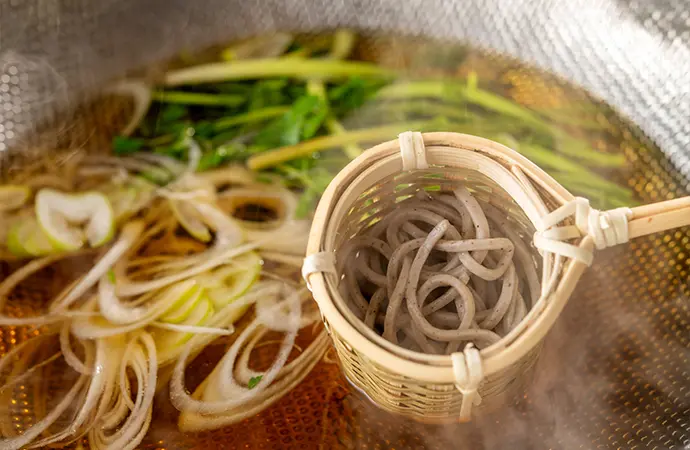
On April 25, 2025, Okutama Seiryu Resort KAMENOI HOTEL OME partially renovated its guest rooms, lobby, and restaurant. As one of the pleasures of your stay, we offer a multi-course meal that focuses on traditional dishes such as Edo-Tokyo vegetables and soba noodles that have been around since the Edo period. Edo-Tokyo vegetables such as Tokyo udo and Senju green onions are procured and utilized in our dishes. Akikawa beef, the only brand of Wagyu beef in Tokyo, is served with a new kind of shabu-shabu along with soba noodles that have spread to the common people since the Edo period.
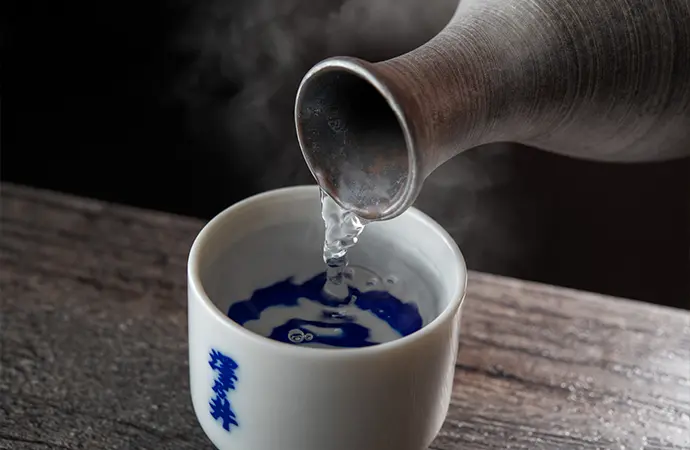
In addition, if you compare the local sake "Sawanoi" with KAMENOI HOTEL original Japan sake, you can spend an even more enjoyable night.
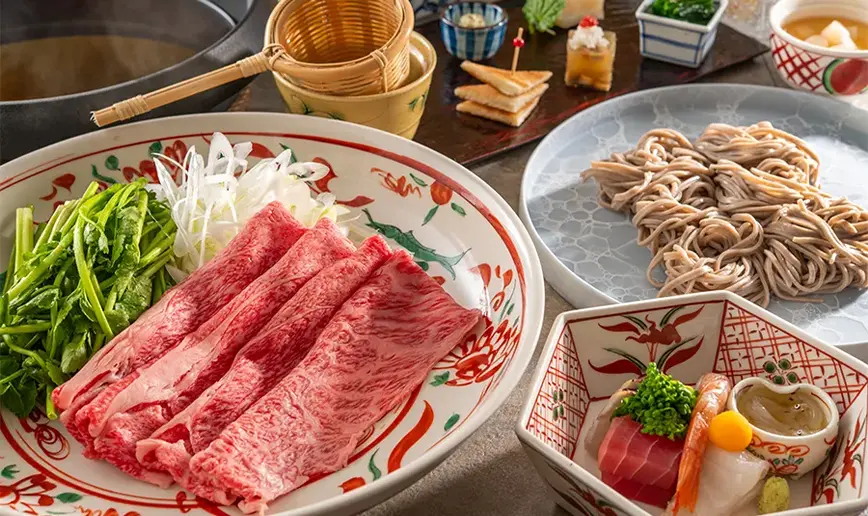
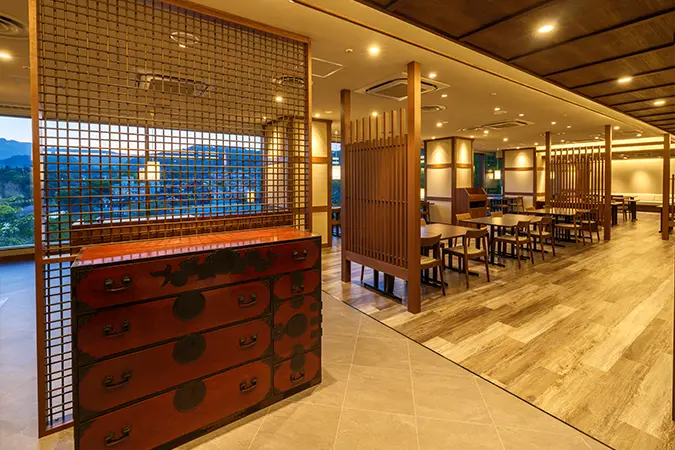

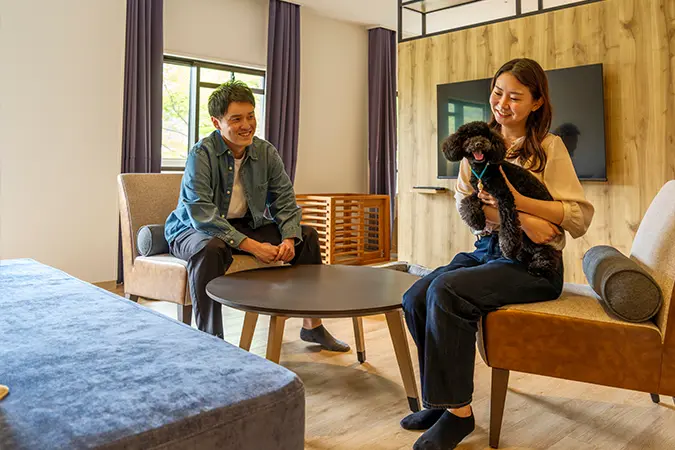
A second home for city dwellers
A warm space
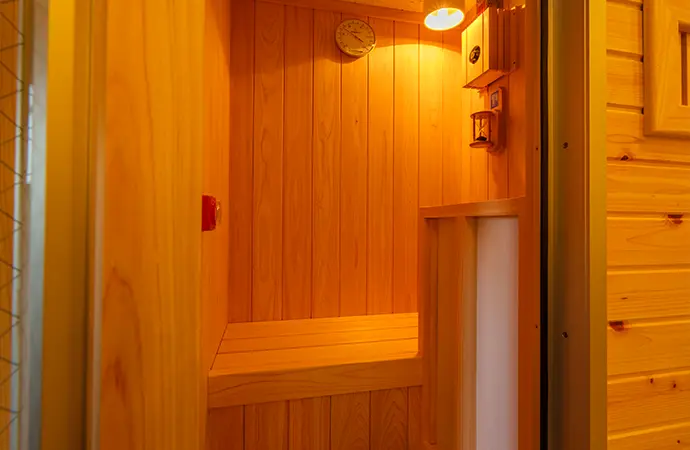
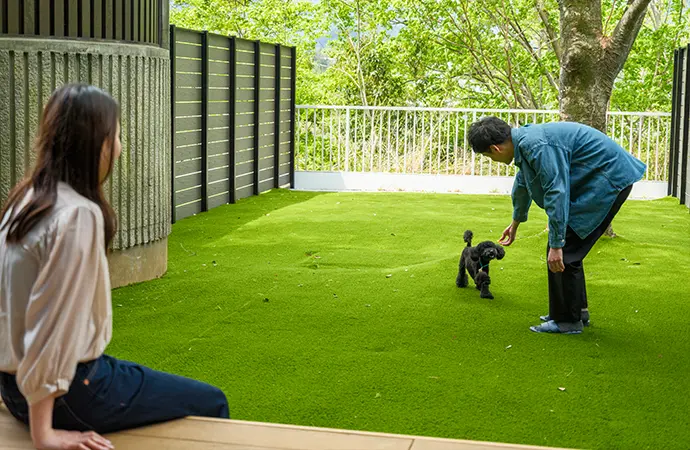
With the renovation, pet rooms with dry saunas and private dog runs have been added, allowing you to stay with your dog. A new superior room for up to four people has also been added, allowing the whole family to spend time together.
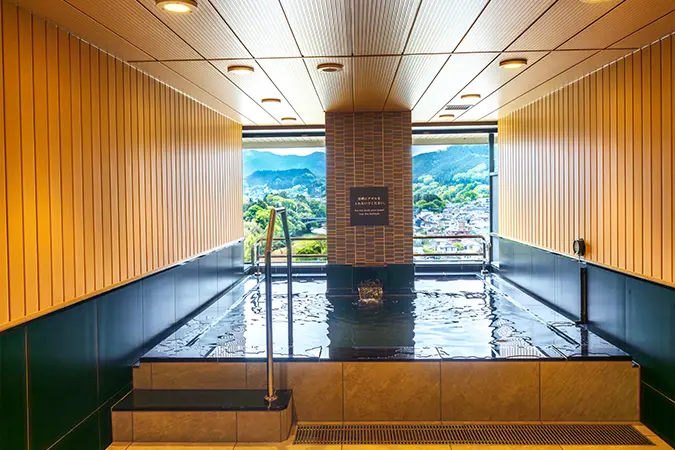
From the open-air bath with a panoramic view in the large public bath on the top floor, you can take in panoramic views of the Okutama mountains and the clear Tama River, and your skin will be smooth with natural Hot springs with a pH of 9.9.
If you use Okutama Seiryu Resort KAMENOI HOTEL OME as your villa, you're sure to be able to reset your busy days.

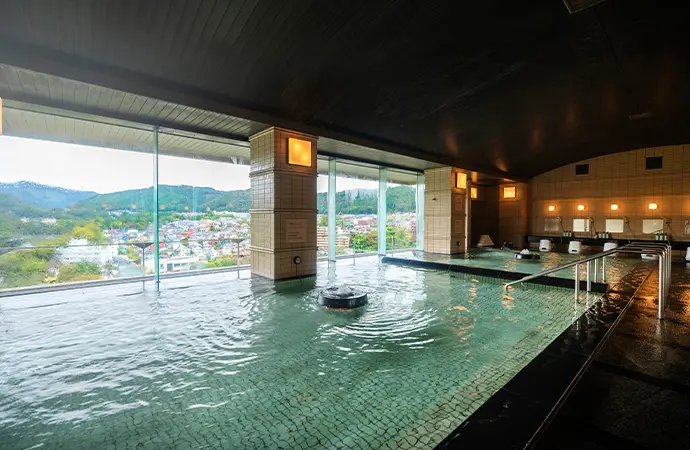
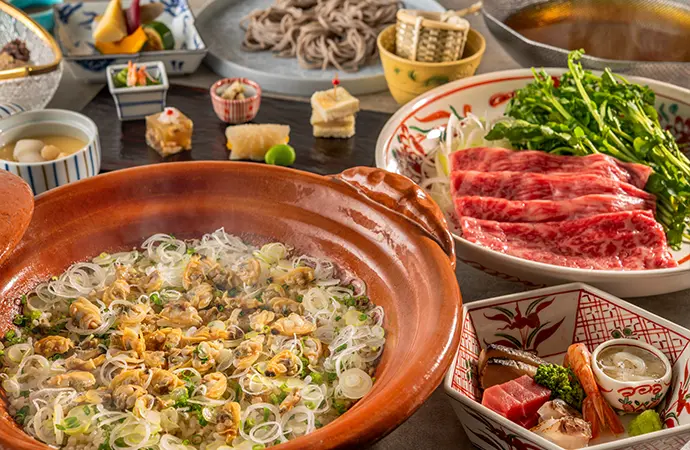
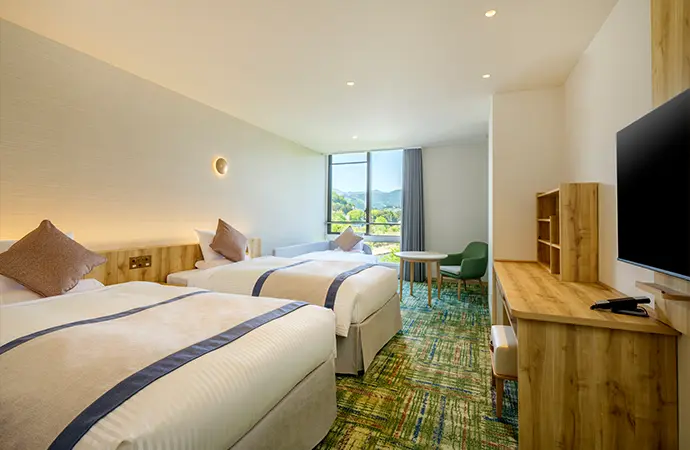
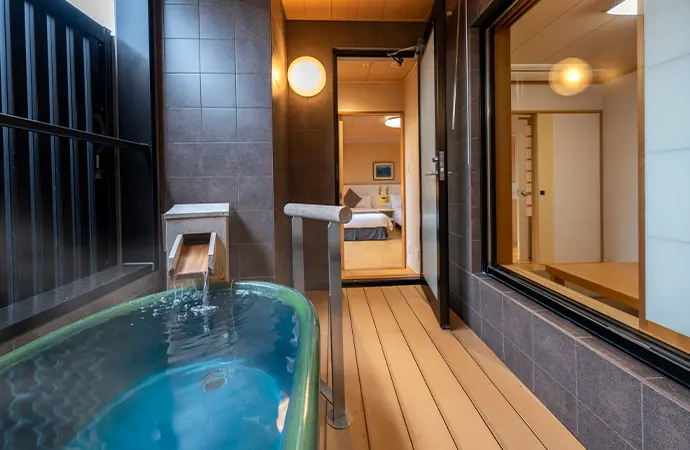
Nearby Spots
Nearby spots
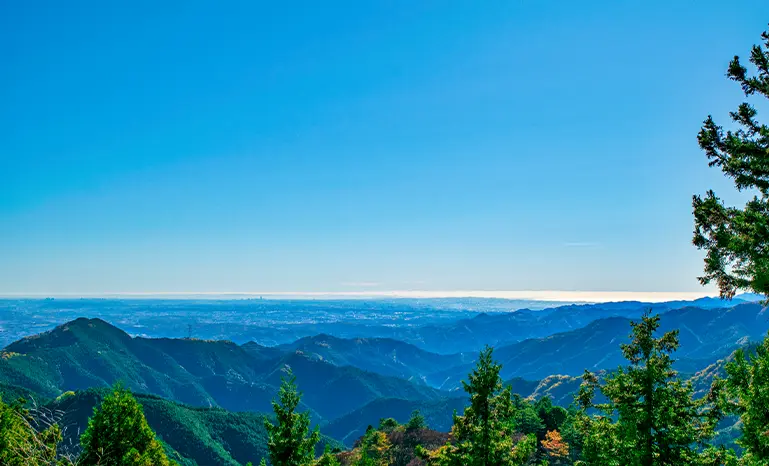
Mt. Mitake and Mitake Valley,
Enjoy nature that you wouldn't expect to find in Tokyo
Ome is a town surrounded by nature. It is home to Mount Mitake, a 929-meter-high mountain known as a sacred place since ancient times. Here, you can observe alpine plants, wild birds, and insects in the clear, clear air. Okutama Seiryu Resort KAMENOI HOTEL OME is about a 20-minute drive from Takimoto Station on the Mitake Tozan Railway.
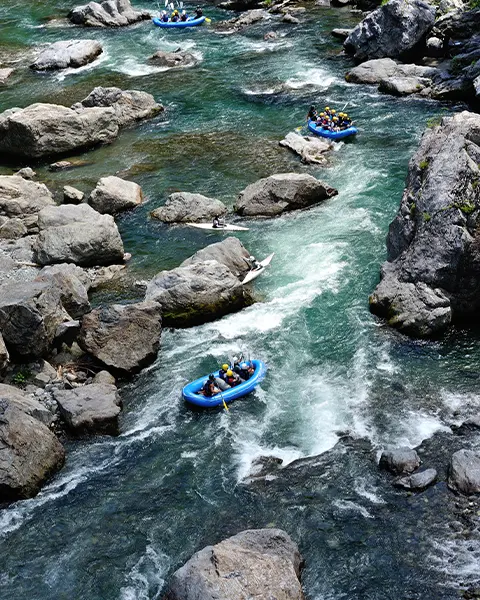
Meanwhile, Mitake Valley has a 4km walking trail, and just peering into the vast valley from Mitake Bridge will leave you deeply moved. If you want to fully experience nature, why not spend a fulfilling day rafting, SUP, fishing, and more? You can access Mitake Valley by car from the hotel in 10–15 minutes.

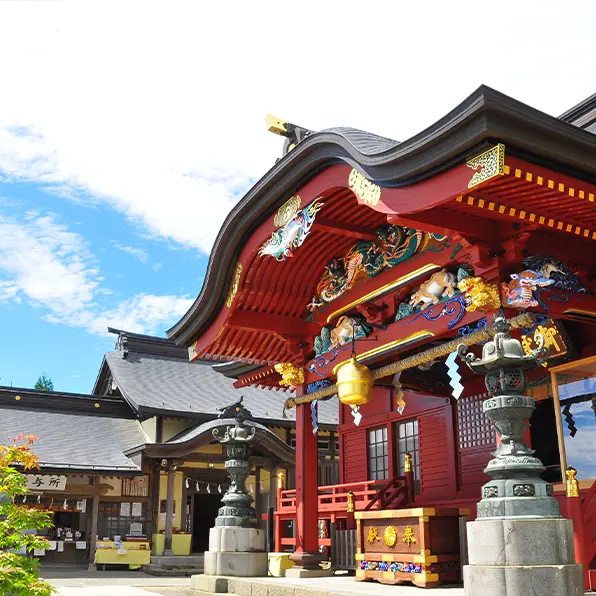
Musashi Mitake Shrine
A shrine located at the summit of Mt. Mitake. The current offering hall and worship hall were built by order of Tokugawa Tsunayoshi during the Edo period. It enshrines Ookuchimagami, a dog god, and has become popular among dog lovers in recent years. Travel by cable car from Takimoto Station on the Mitake Tozan Railway.
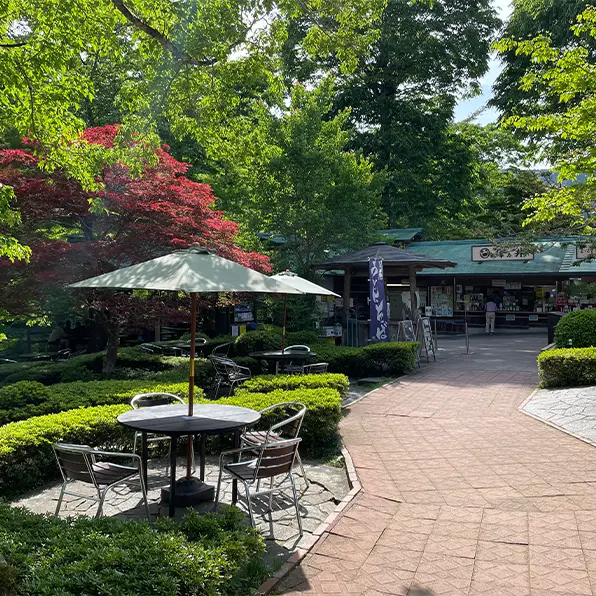
Ozawa Sake Brewery
Founded in 1702 (Genroku 15). Known for its famous sake "Sawanoi," the brewery has a garden and a cafe adjacent to it. You can also tour the brewery and try sake, so it's recommended for sake lovers. Located near Mitake Valley, about 15 minutes by car from the hotel.
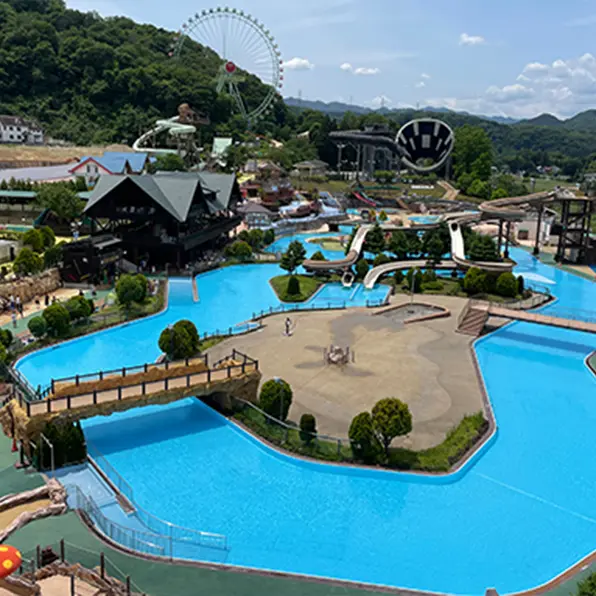
Tokyo Summerland
A leisure facility where you can enjoy dynamic water play both indoors and outdoors, including one of Japan's largest lazy river pools. There are also thrilling attractions that can be enjoyed to the fullest by both children and adults. Approximately 25 minutes by car from the hotel.