

- What is KAMENOI HOTEL?
- Hotel list
- DNA / History
- Hot springs- Natural Hot springs in all hotels
- Dining
- Activity
- KAMENOI HOTEL Travel Special
- Loyalty Program
GoTo Pass




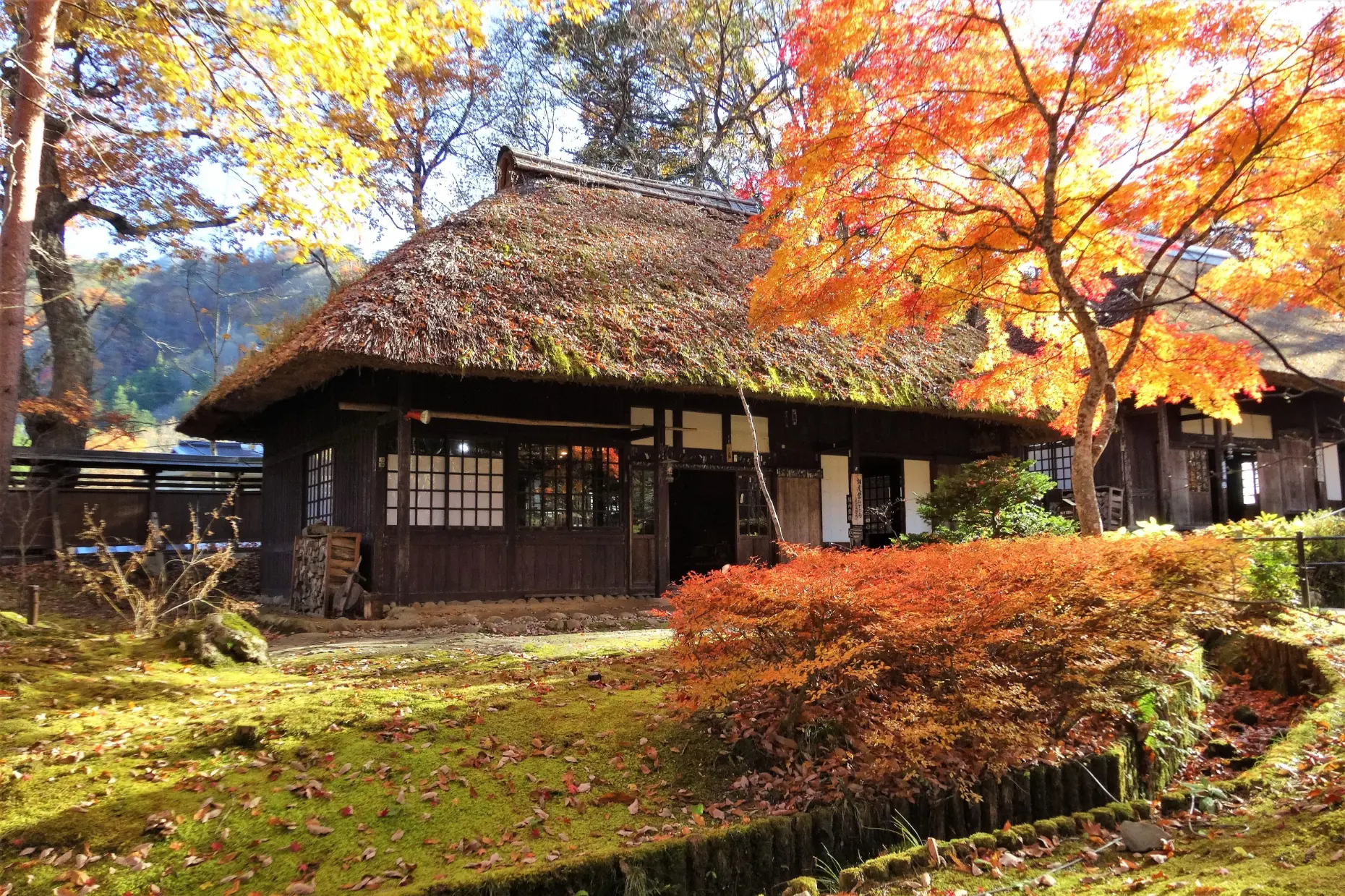
Traveling to Nikko and Yunishigawa,
The legend of the Heike fugitives
Thinking Back
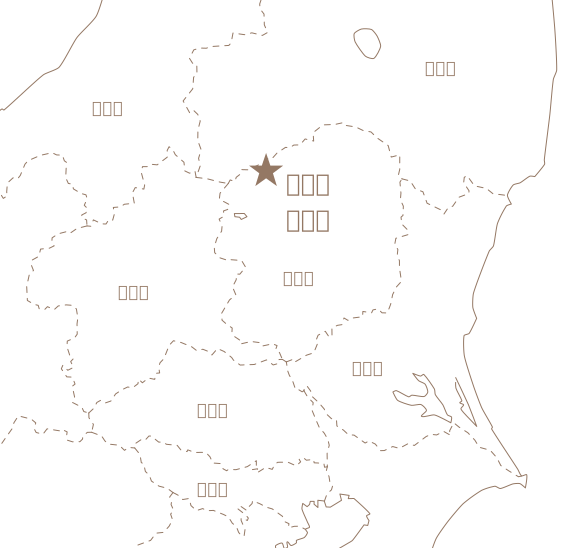
The Yusai River in the Tone River system flows into Tochigi Nikko-shi.
In the vicinity, there is a Hot springs called Yunishigawa
Hot springs The city is spreading.
This is known as the place where the fallen people of the Heike family hid their appearance.
Even now, the remnants of that time remain,
Quiet time is flowing.
The stage of history in Tochigi, not far from Tokyo,
Why don't you visit it right away?
The Heike fugitives
The hidden place that became a haven of peace
The legend of the fallen Heike clan, who were once defeated in a battle between the Genpei clan and the Taira clan, is said to have escaped their pursuers and hid out deep in the mountains in various parts of Japan. Tochigi Nikko-shi The legend that remains in the legend of "Tadafusa" (hidden name: Chujitsu), grandson of Taira no Kiyomori, is the hero of the story.
After the battle of Dannoura in 1185, Tadafusa visited Utsunomiya Asatsuna with his vassals, but the order to pursue him became more severe and he moved further away, hiding on Mount Chitose (Nikko-shi). However, he was delighted when a lady of the family gave birth to a boy, and when he erected a carp streamer for the Dragon Boat Festival, it caught the attention of the Minamoto clan and he was severely defeated.
Tadafusa again fled, and is said to have arrived at Yunishigawa River, which flows deep in the mountains near Fukushima.
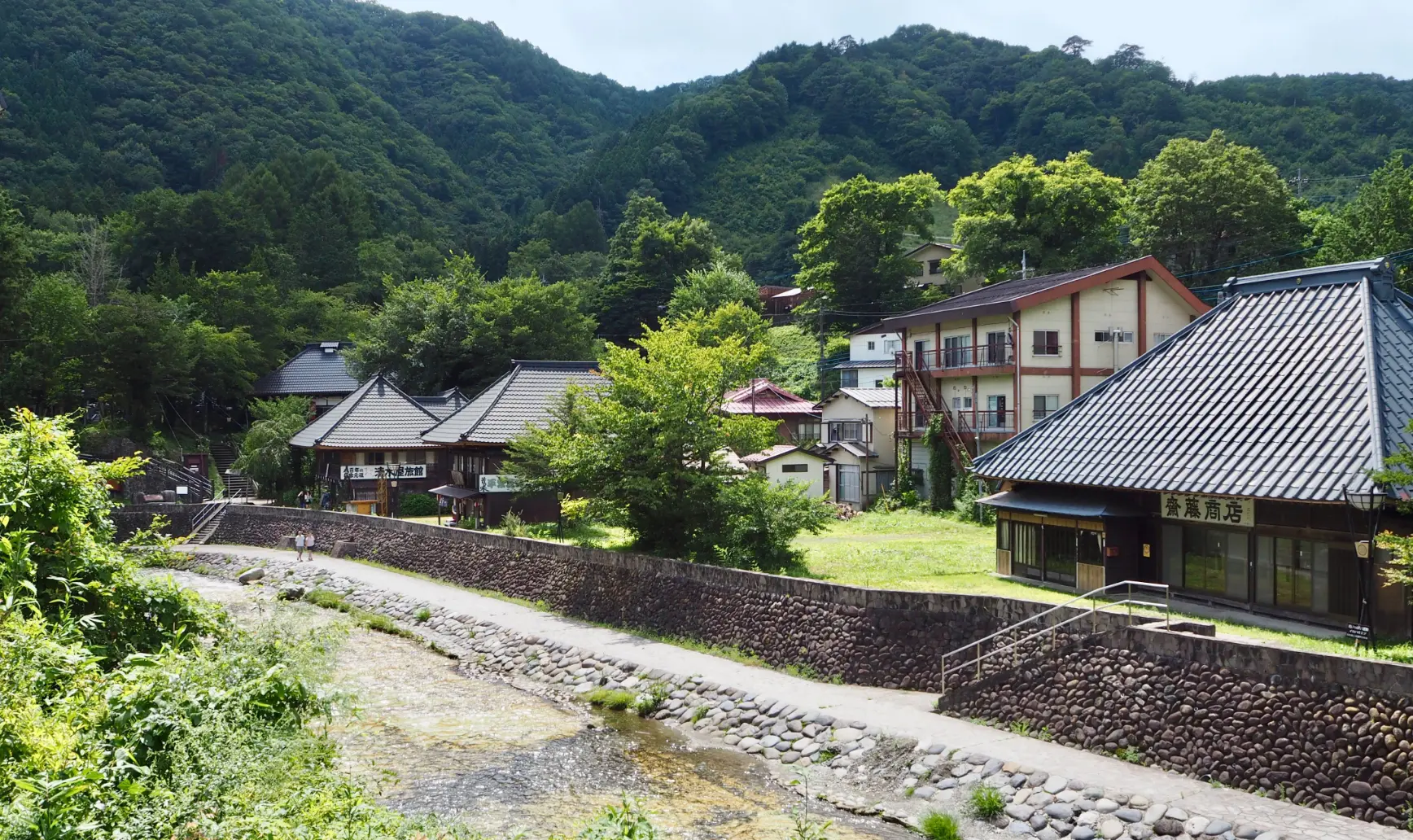
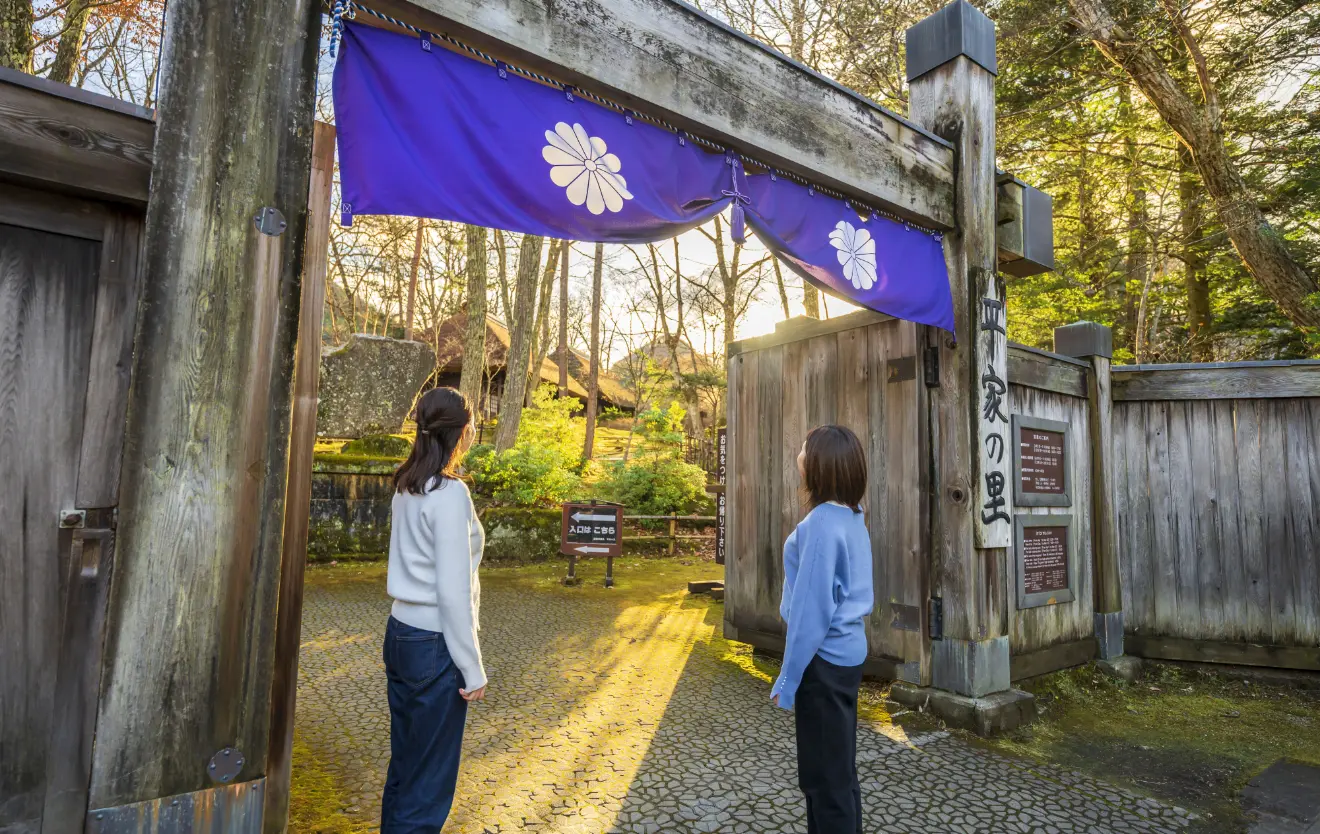

Yunishigawa Hot springs is also
A page in the history of the Heike
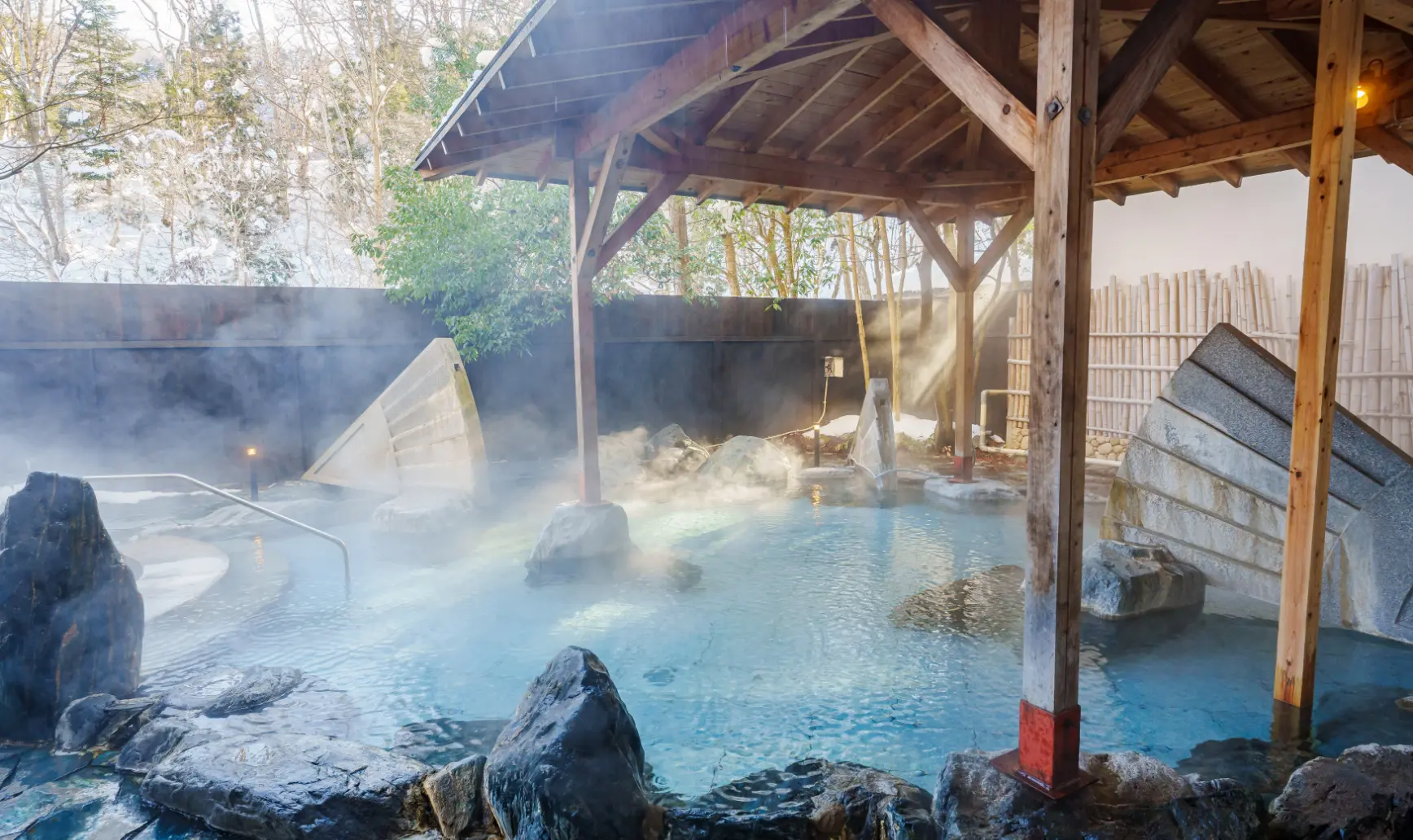
There is also this story: One snowy day, Tadafusa went out hunting. On the way, he discovered a spot where there was no snow. He put his hand in it and it was warm, and he realized it was Hot springs. Believing that one of his descendants would dig up Hot springs somewhere, he buried his horse saddle and gold and silver treasures nearby.
As time passed, the 11th generation of the Tomo no Kami, Tadamitsu Tomoshima (the surname was used to avoid being identified as a Heike clan member), discovered Hot springs and also found the treasure buried by his ancestor, Tadafusa. This was the beginning of Yunishigawa Hot springs.

In a thatched roof village
Learn about life at that time
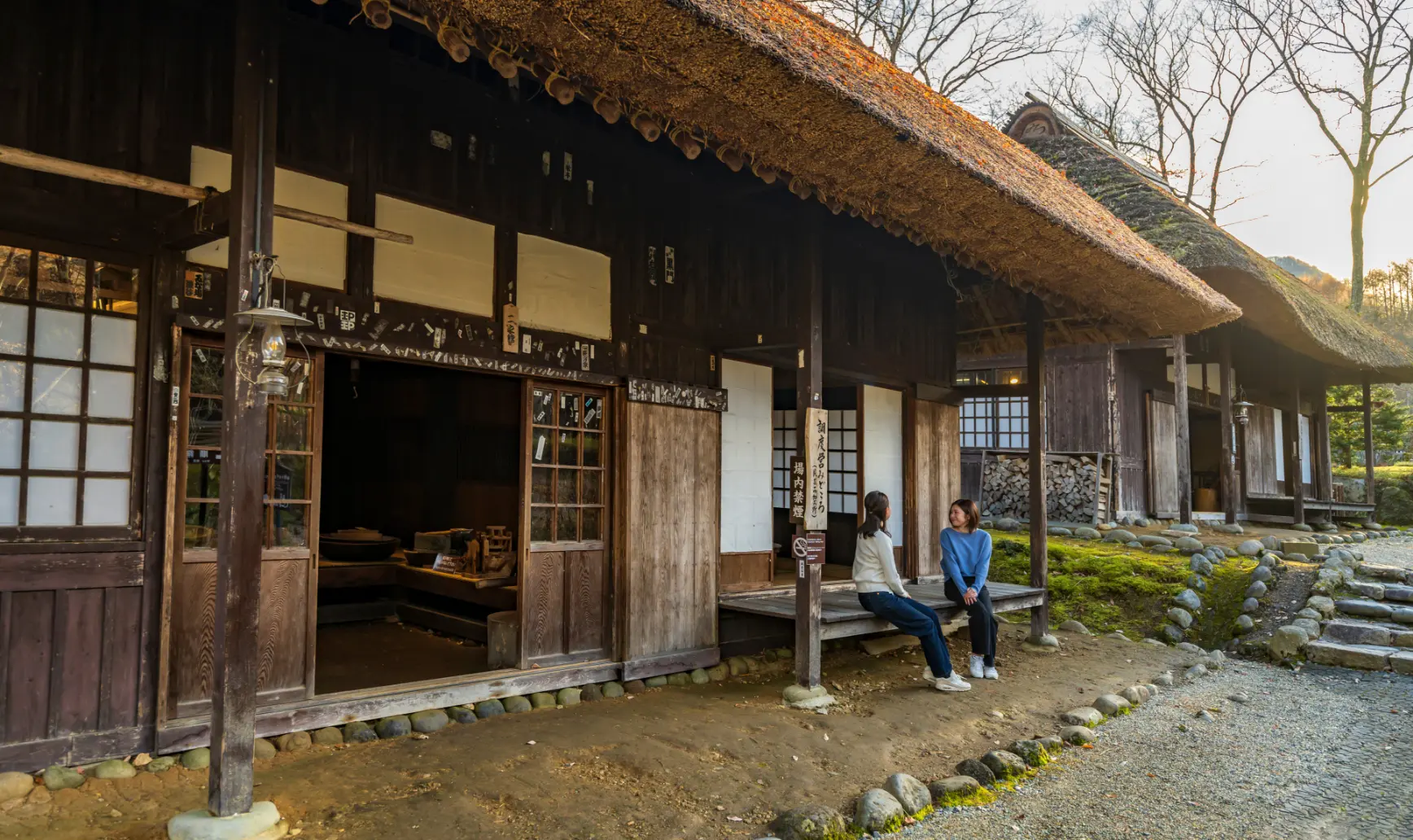
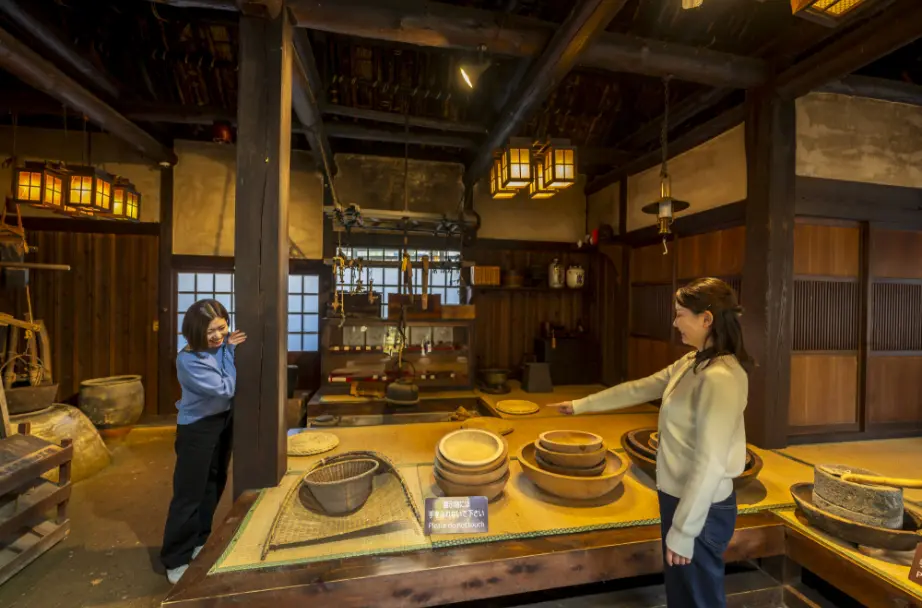
In the Yunishigawa area, there is a thatched-roof village where you can learn about the lives of the Heike refugees. The Heike Folk Village was reconstructed in 1985 (Showa 60), 800 years after the Battle of Dannoura.
Inside the house, there are valuable exhibits that support the legend of the Heike refugees, such as a reprint of the Tale of the Heike, armor, saddles, bows, and other military equipment, and folk items. Nearby, there is the Heike Village, the Heike Rikuminshu Museum, and Hot springs inns with connections to the Heike, so you can enjoy the world of history just by walking through Hot springs town.
I'd love to travel to a remote area deep in the mountains where you can peacefully hear the sounds of the wind, the birds, and the babbling river.

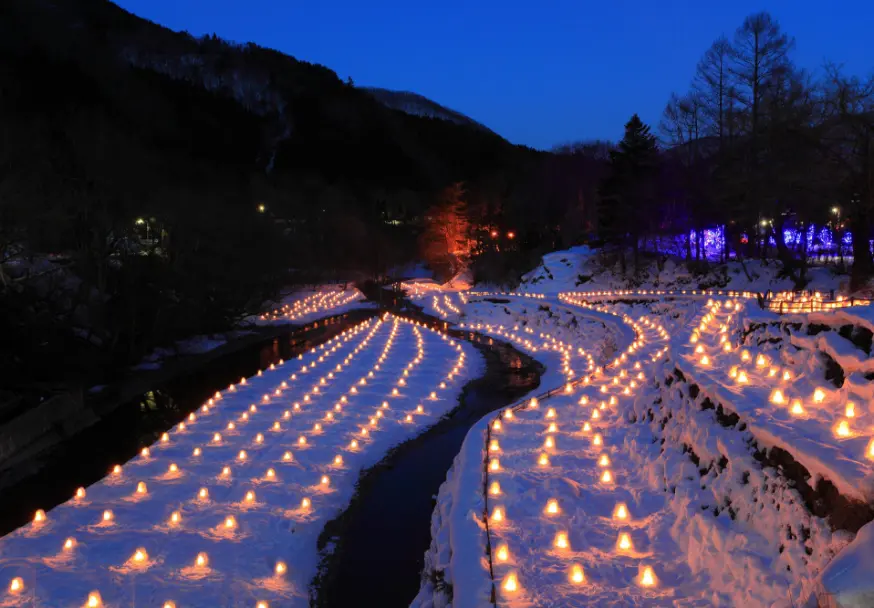
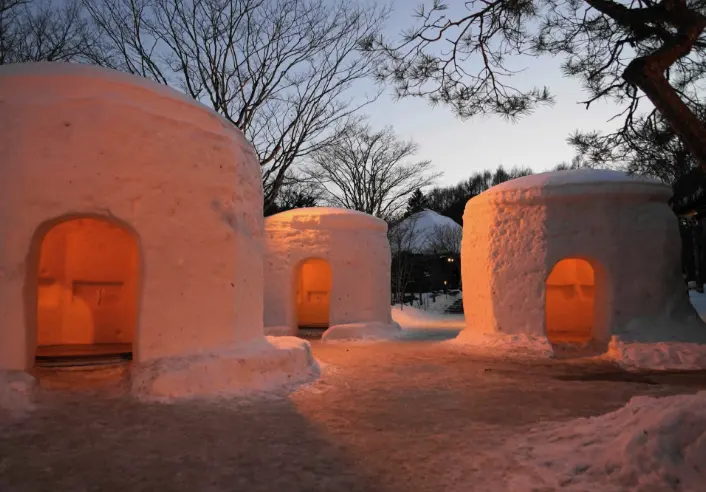
Kamakura Festival, certified as a Japanese nightscape heritage site
The Kamakura Festival, which has been held for over 30 years, is a seasonal winter feature in the Yunishigawa area. It attracts many tourists as it has been selected as one of Japan's Night View Heritage Sites, one of the Kanto Region's Three Great Night Lights, and one of Tochigi's Seven Lights. The rows of mini Kamakura with candles lit inside create a fantastical and romantic scene. Large Kamakura are lined up in the thatched roof village of Heike no Sato, making it feel as if you have entered a world of fairy tales. It is held every year from late January to early March (the content may change depending on the amount of snowfall).
Recommended Hotel
Recommended hotels
Modern x Classic.
Relaxing free time
At the hideaway hotel
KAMENOI HOTEL NIKKO YUNISHIGAWA
All-inclusive hotels
Experience the popular all-inclusive resorts overseas
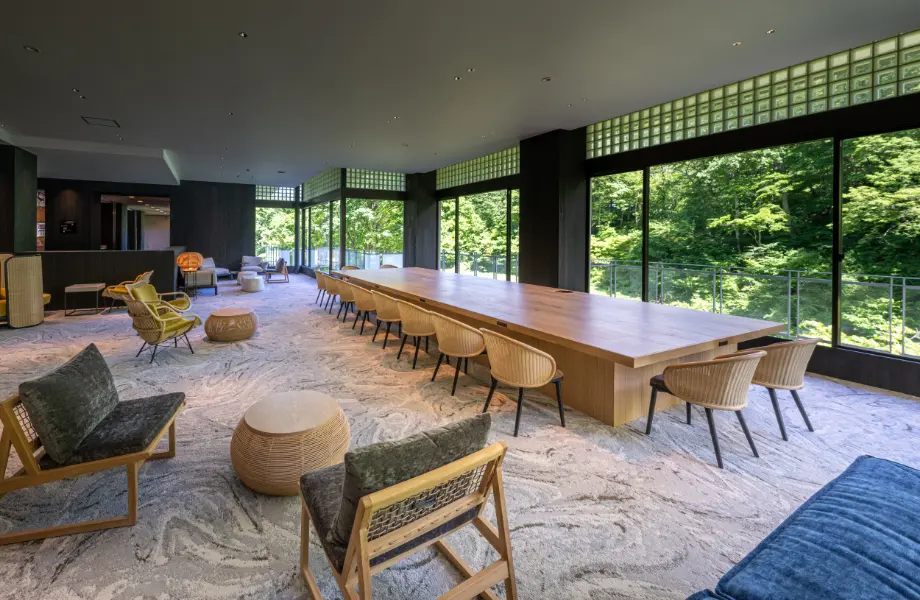
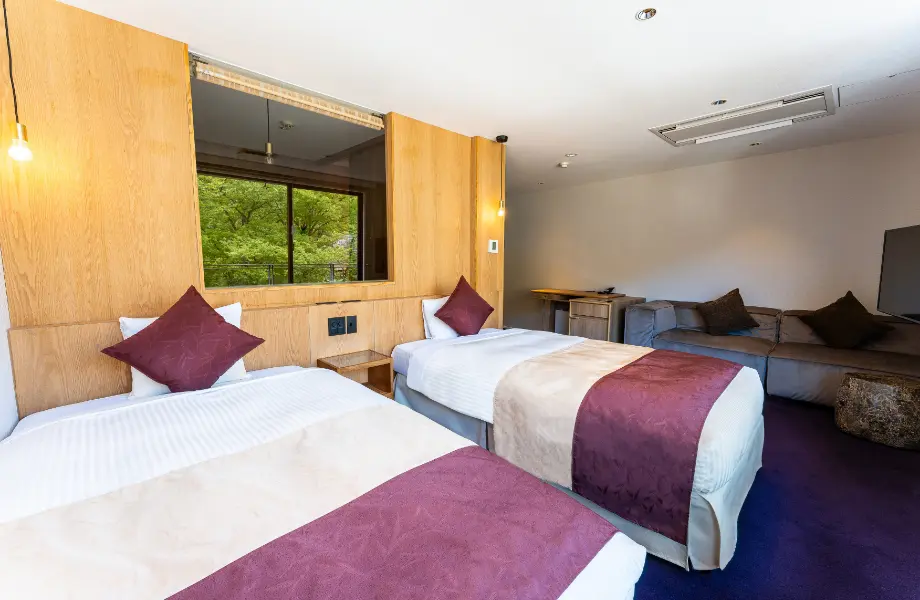
Located in a quiet area surrounded by trees, KAMENOI HOTEL NIKKO YUNISHIGAWA is an all-inclusive inn that exudes the luxury of an overseas resort.
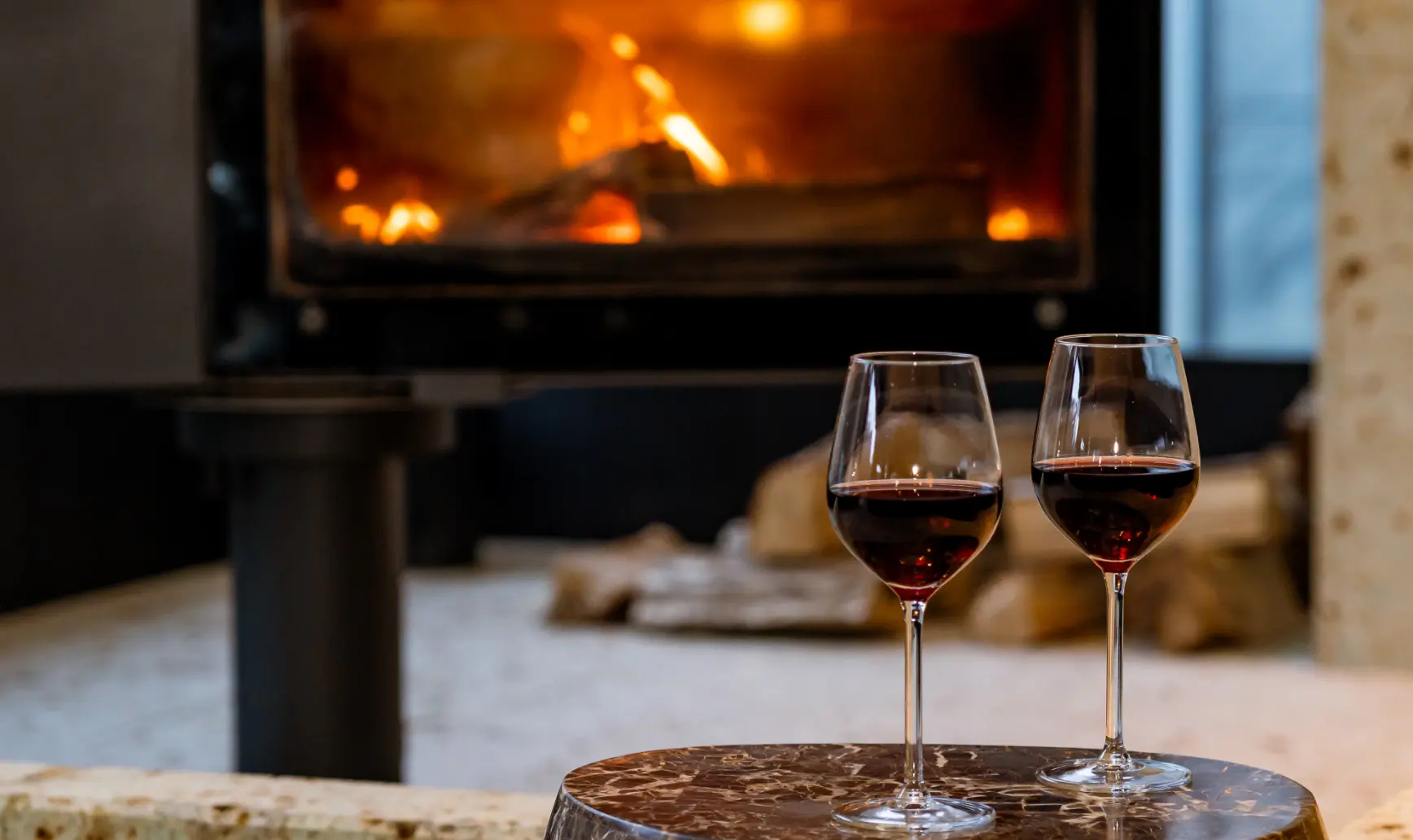
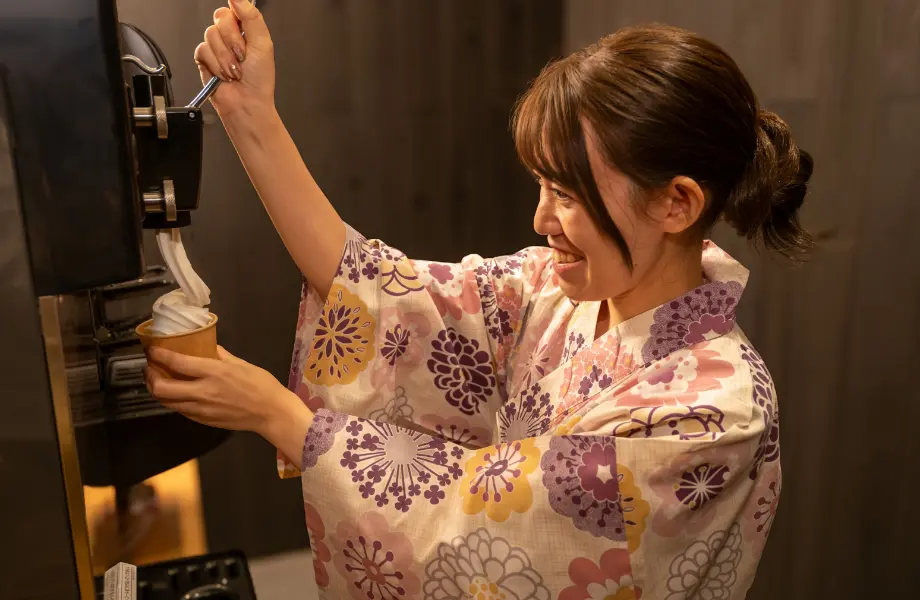
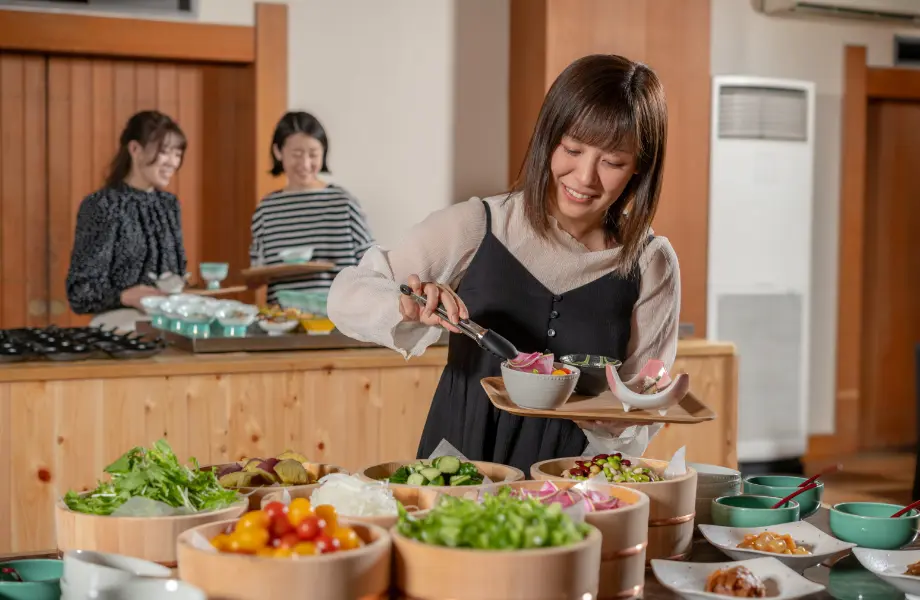
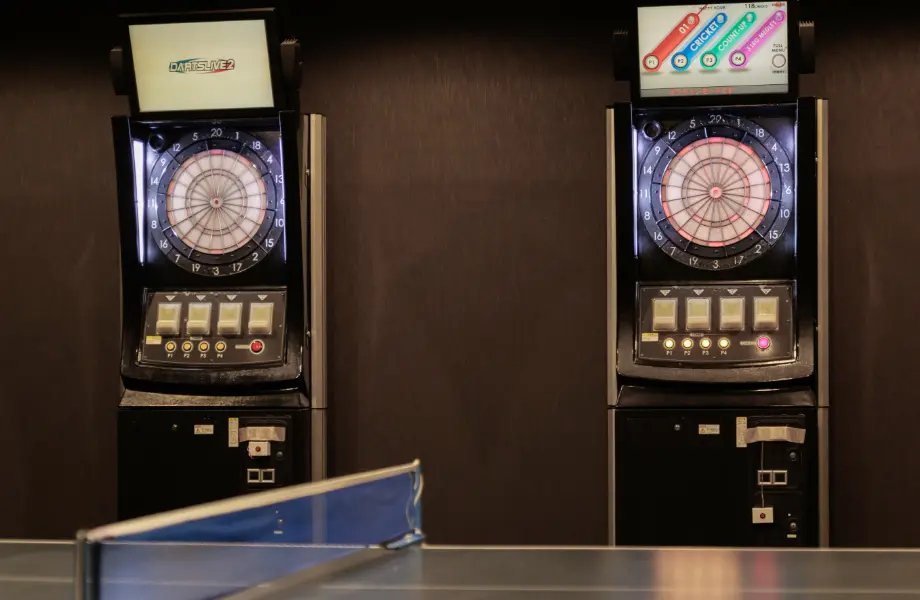
The accommodation fee includes the room rate, Food, additional drinks at the restaurant, wine and coffee at the lounge, soft serve ice cream, bicycle rentals, darts, etc. You can enjoy sparkling wine in the lounge from 7am, and you are free to bring in local sake and wine that you find on your trip. You can enjoy a stress-free stay without worrying about your wallet or having to pay each time.
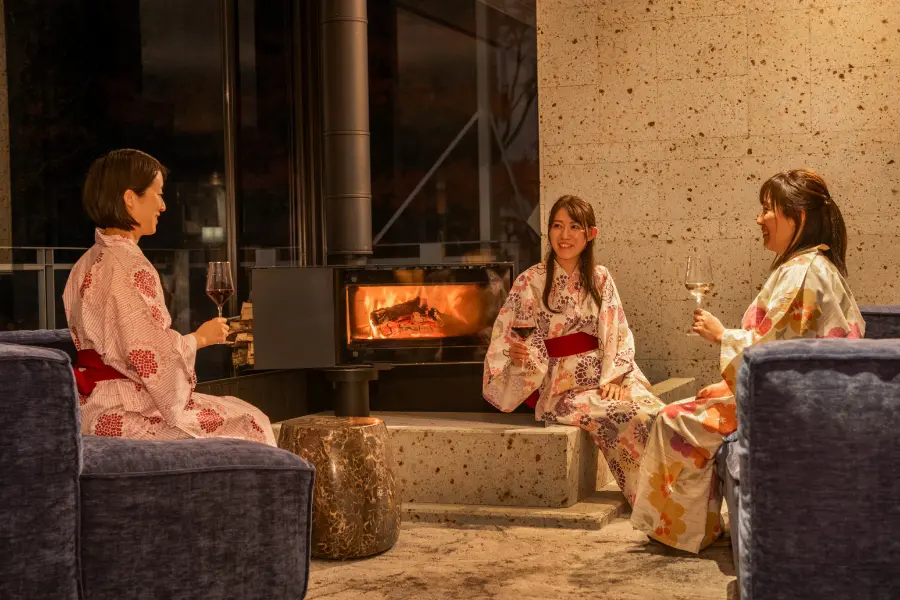

It's fun and delicious because you cook it yourself.
Hearth grilling
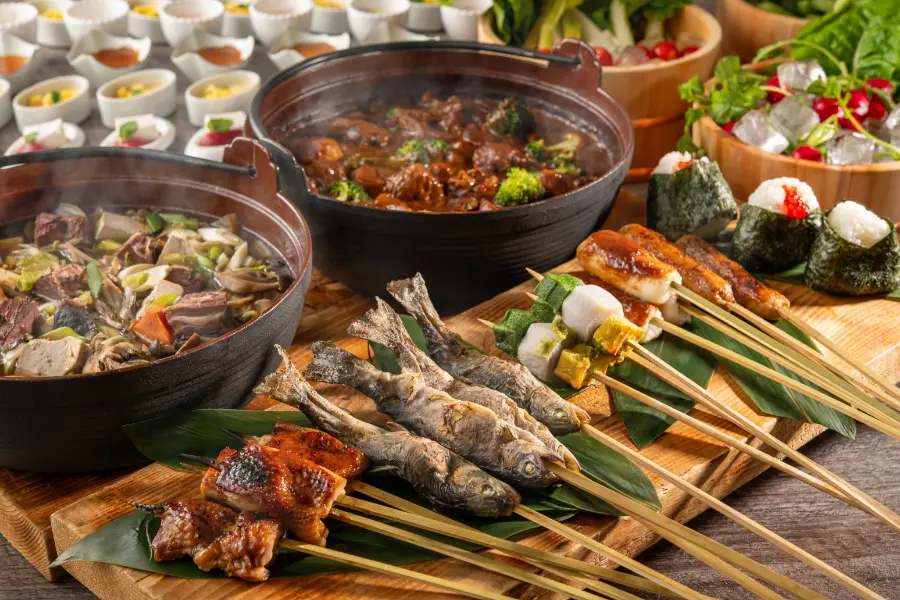
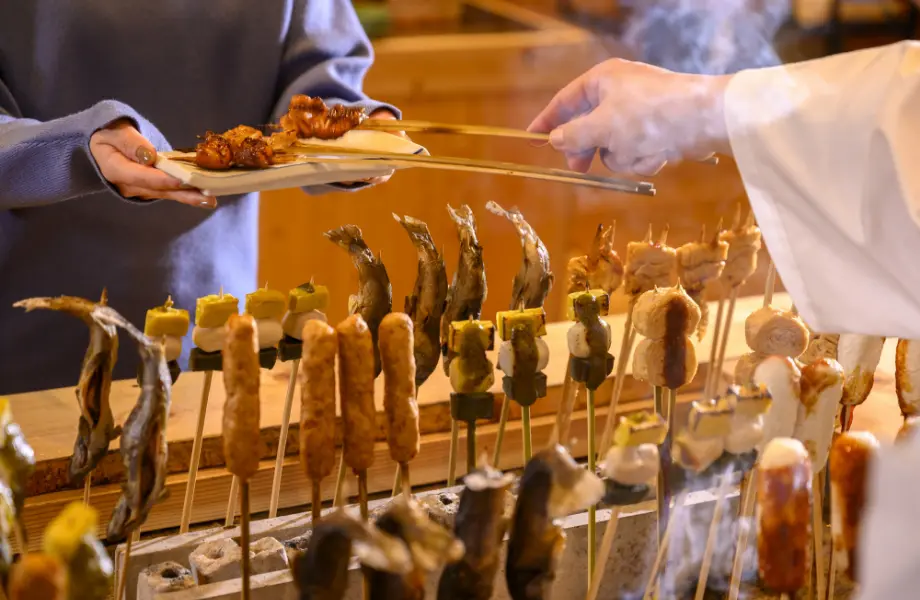
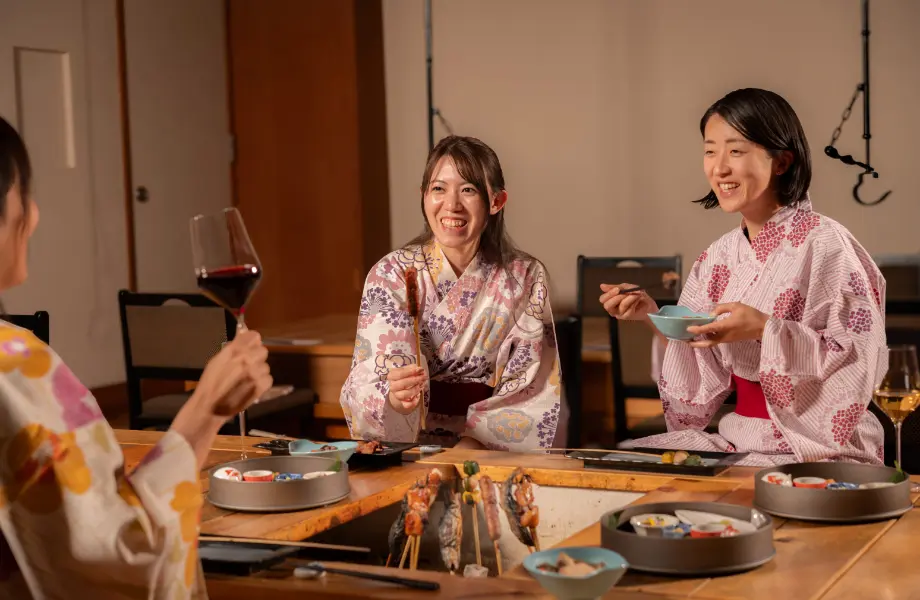
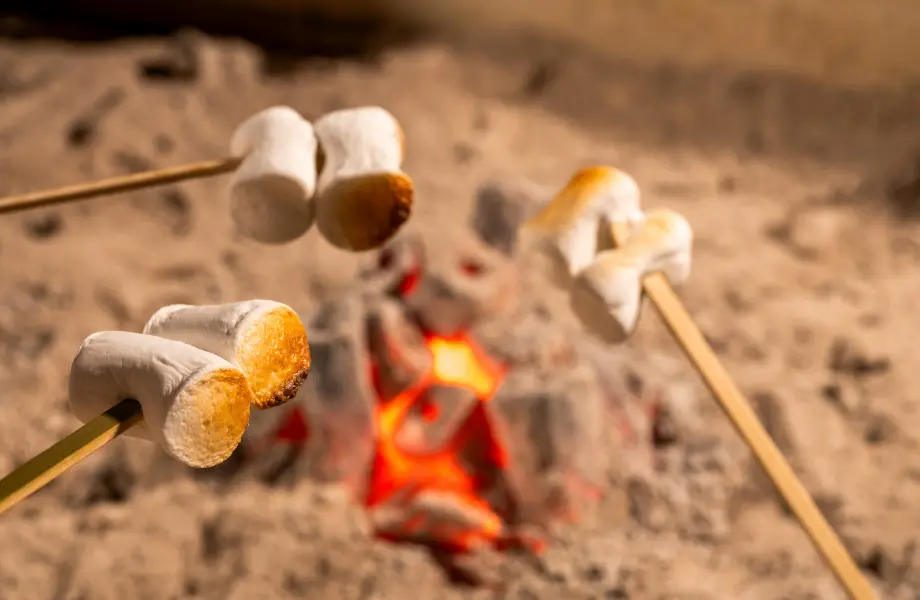
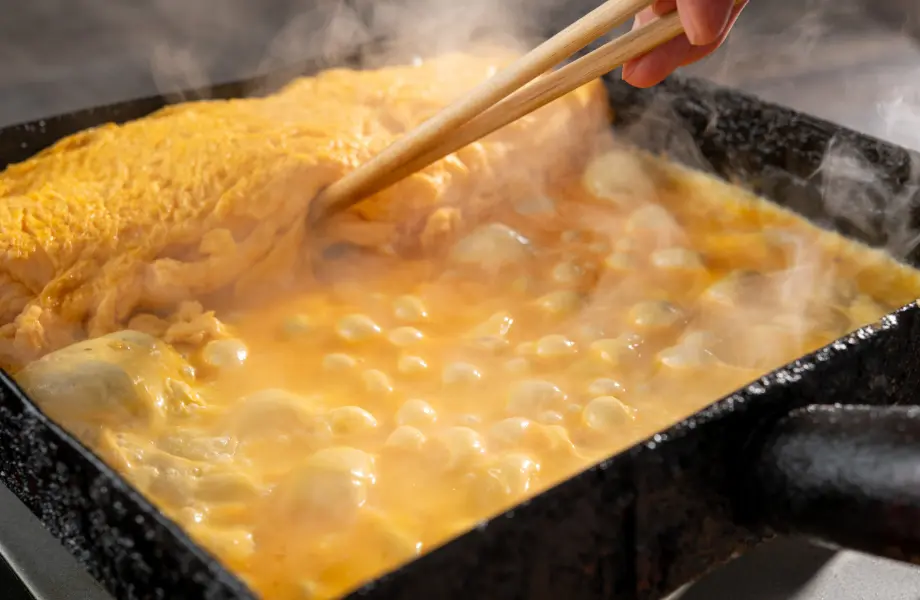
In the restaurant, each table is equipped with an irori hearth, which is rarely seen in modern life. You can enjoy drinking and chatting while grilling trout, dengaku, marshmallows, etc. Whether you are from a generation that has never heard of an irori or one that feels nostalgic, grilling yourself will surely create fond memories. You can also enjoy a rustic venison hotpot.
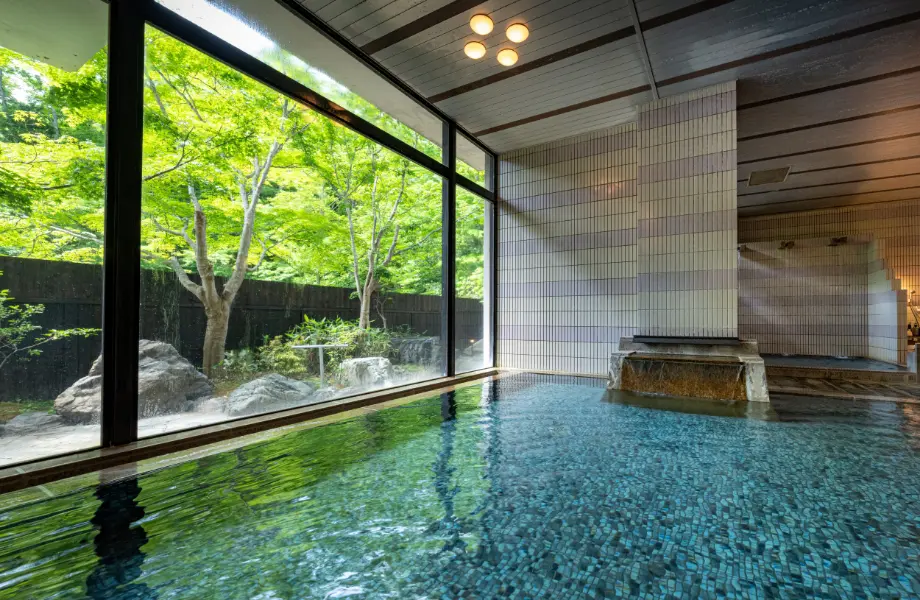
Before or after dinner, head to the large public bath and open-air bath in the hotel. Of course, the water here is from Yunishigawa Hot springs, which is known for its skin-beautifying properties. Relax in body and mind while watching the seasonal changes of nature.
Enjoy a wonderful time at this hot Hot springs, which is associated with the Heike clan's refugees, while imagining this historical setting.
Nearby Spots
Nearby spots
No matter how many times I visit, I am always left speechless.
Visit the World Heritage Site of Nikko's Shrines and Temples
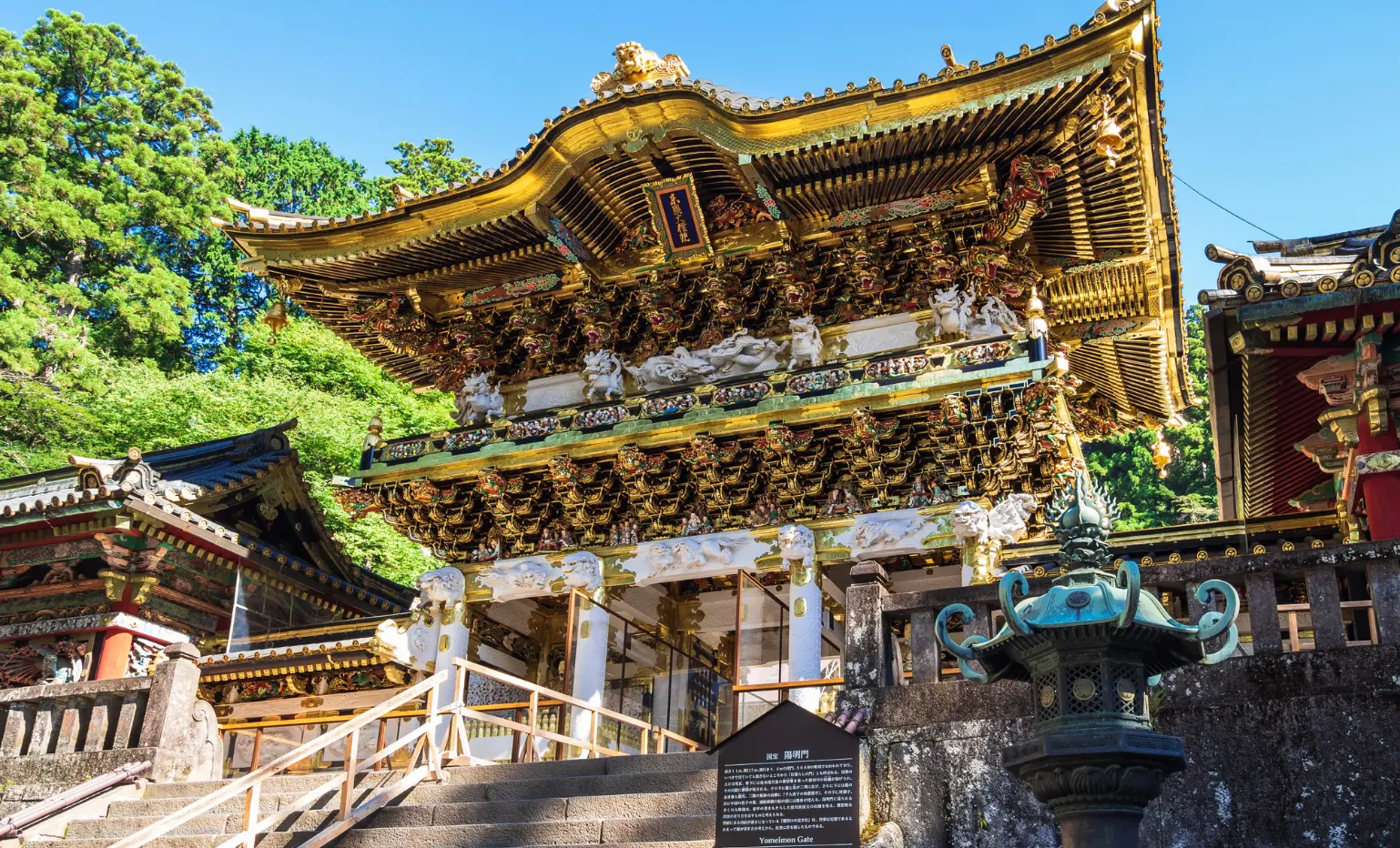
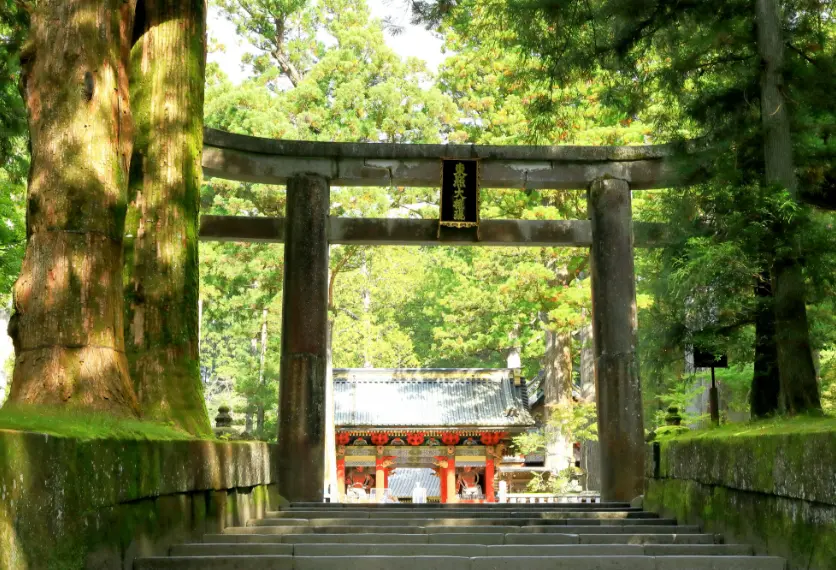
Tokugawa Ieyasu, the first shogun, ended the Sengoku period and ushered in the Edo period, which lasted for about 260 years. It is said that the second shogun, Hidetada, built Nikko Toshogu Shrine in accordance with his will that he be enshrined on Mount Nikko after the first anniversary of his death. It was a simple structure at the time, but during the time of the third shogun, Iemitsu, it was transformed into a magnificent group of shrine buildings that brought together the best of architecture, sculpture, lacquering, and other techniques. The National Treasure Yomeimon Gate is particularly eye-catching. The glittering gate, covered with about 240,000 sheets of gold leaf, is decorated with 508 carvings, including dragons and phoenixes. Part of the stone pavement in front of the gate is an energy passageway, making it the most powerful spot in Nikko Toshogu Shrine. Take this opportunity to learn more about the shrine before visiting. It is about an hour's drive from the hotel.
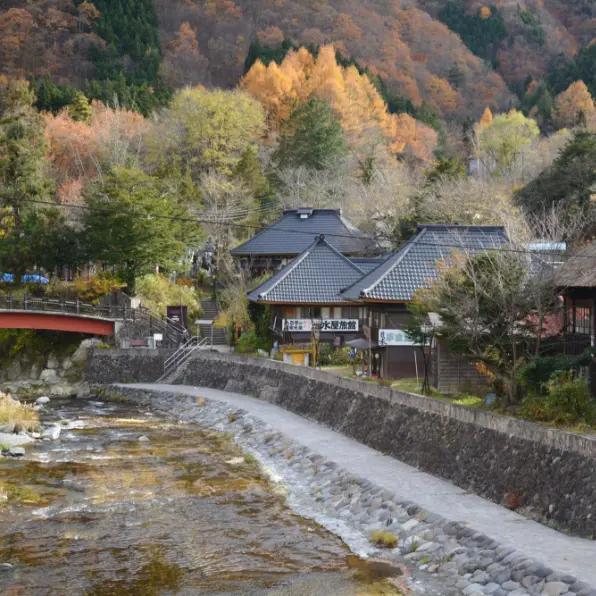
Heike Village
A village where the Heike clan's refugees are said to have lived. We recommend taking a walk along the Yunishigawa River and looking at the old houses and the surrounding mountains. It is about a 5-minute walk from the hotel (to Yumae Bridge).
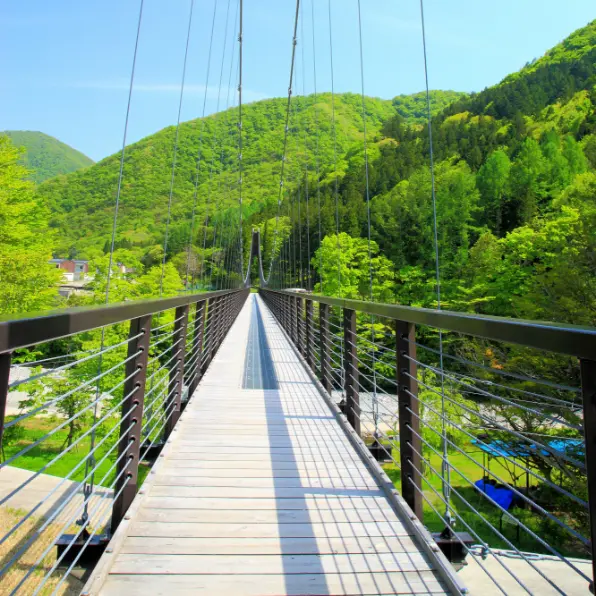
Yunishigawa Water Village
This facility combines a shop, a Food, and a day Hot springs. You can enjoy a spectacular view from the nearby large suspension bridge, and there are hiking trails nearby. It is about a 5-minute drive from the hotel.
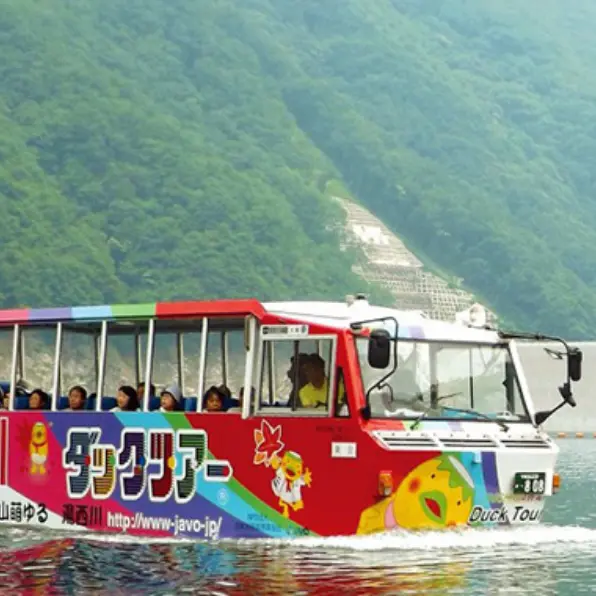
Yunishikawa Duck Tour
A tour to cruise the dam lake on an amphibious bus. The tension of entering the water is something you should definitely experience. Closed in winter from early December to mid-April. About 5 minutes by car from the hotel (Departing and arriving at Yunishigawa Suinosato).