

- What is KAMENOI HOTEL?
- Hotel list
- DNA / History
- Hot springs- Natural Hot springs in all hotels
- Dining
- Activity
- KAMENOI HOTEL Travel Special
- Loyalty Program
GoTo Pass







In Ichinoseki and Hiraizumi
History and tradition
Experience mochi culture
Iwate of Ichinoseki ・In the Hiraizumi area, mochi is eaten on a daily basis.
There are various arrangements of mochi dishes.
In the past, the day of eating mochi was written
It seems that there was even a "mochi calendar".
What kind of historical background is there, and what kind of eating methods are available?
Continued since the Edo period
Let's travel to Iwate in search of mochi food culture.
Over 400 years of history
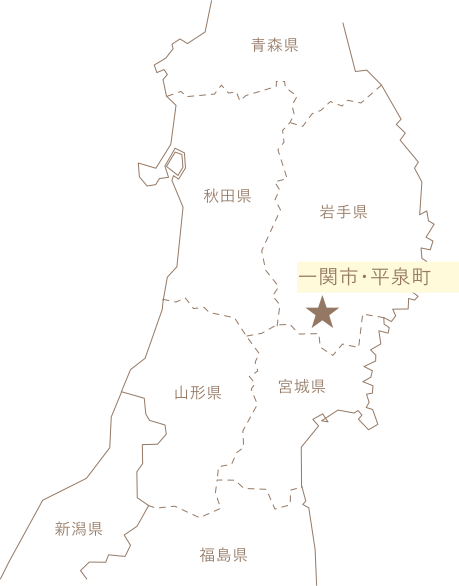
Mochi food culture in Ichinoseki and Hiraizumi Town, Iwate
When Ichinoseki and Hiraizumi regions were part of the Date Domain (Sendai Domain) during the Edo period, farmers were required to make rice cakes and offer them to the gods on the 1st and 15th of each month. However, farmers who were struggling to pay their taxes ate "shiina mochi," a type of rice cake made by mixing broken rice with grains, and it is said that a variety of rice cake dishes were born from the farmers' efforts to make the rice more delicious by using their wisdom and ingenuity.
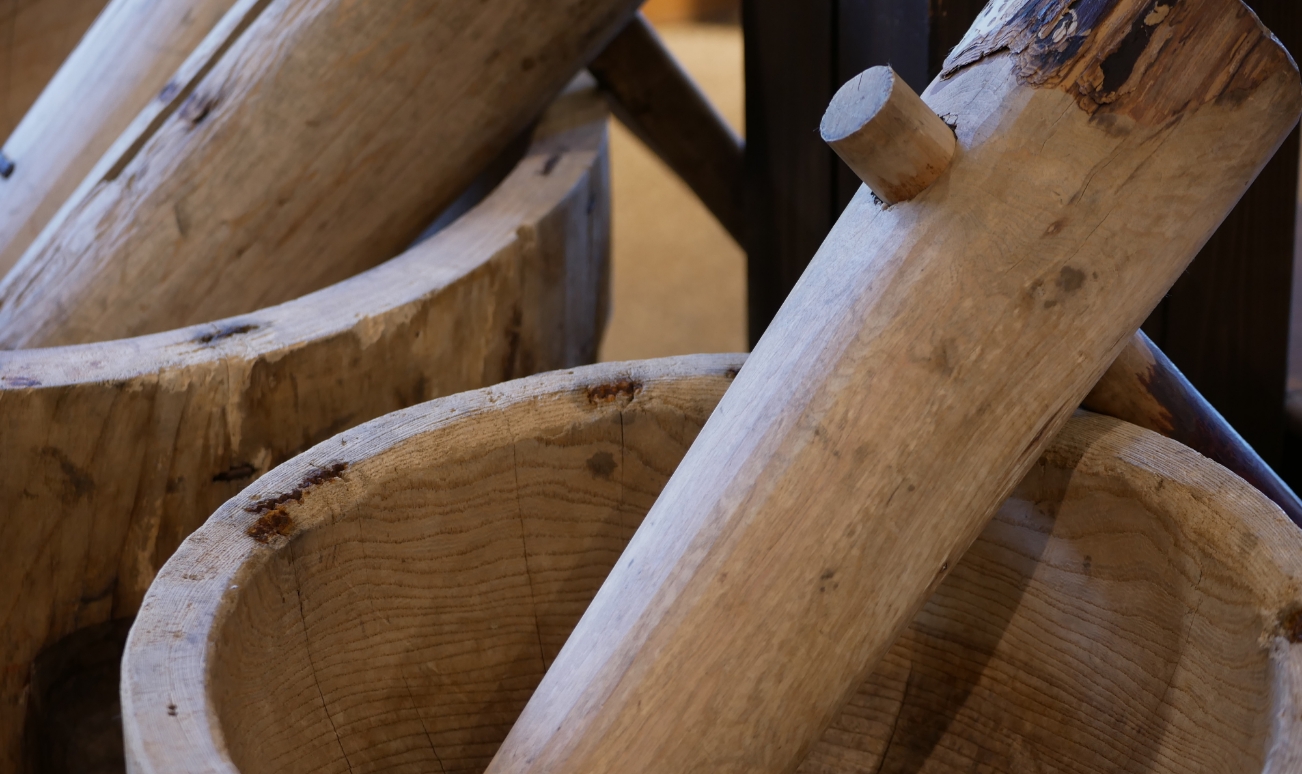
Rice planting, rice harvesting, weddings, etc.
Mochi is also found in places where people gather.
The number of occasions for making mochi increased to over 60 times a year, and these were recorded in the "mochi calendar." Starting with Kagami mochi and Omote mochi for New Year, kinako mochi was made on January 11th, when farm work begins, followed by Kusa mochi and Hishi mochi for the Girls' Festival, and Kashiwa mochi, Kusa mochi, Anko mochi, and Tofu mochi for the Boys' Festival. November 11th was a day called "Ippea mochi," when people ate 2.5 scoops (2.5 go) of mochi per person, without leaving any leftovers. After rice planting and harvesting, mochi was served to those who gathered, and at weddings, mochi was pounded in front of the house, and the neighbors welcomed the wedding procession while singing mochi-pounding songs.
There is also a hospitality dish called "Mochi Honzen" for ceremonial occasions, which developed from samurai banquet dishes. Originally, the participants would follow the lead of a person called the "Otorimochiyaku," who would first eat namasu (grated daikon radish), then eat anko mochi (sweet red bean paste mochi) and zoni (rice cake soup) in a clockwise direction. Nowadays, there are fewer opportunities to experience "Mochi Honzen" locally, but there are still many places where you can experience it.
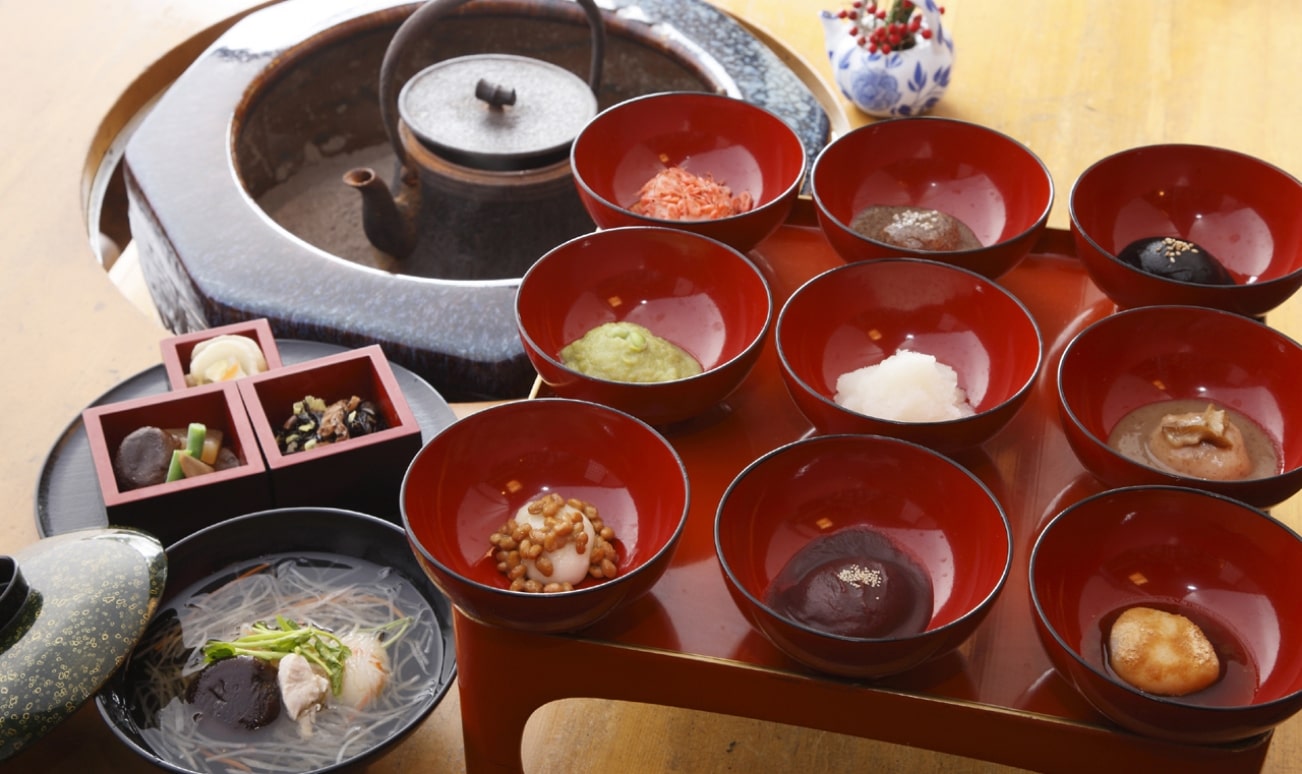
Photo provided by: "Iwate Photo Library"

There are 300 species!
Mochi food culture attracts worldwide attention
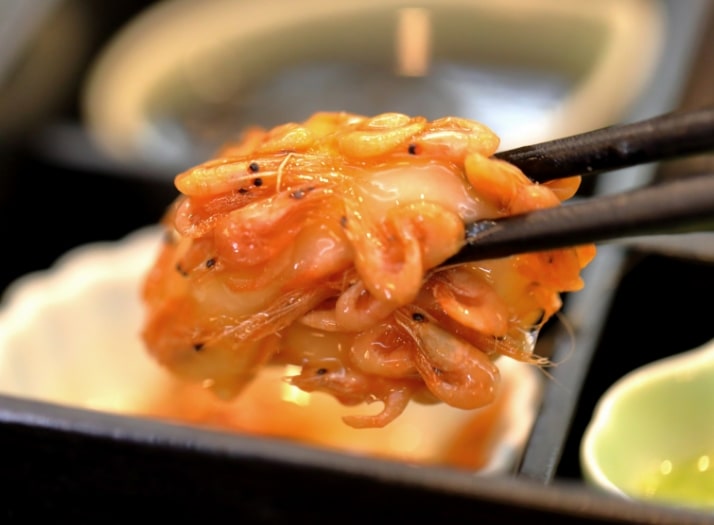
Mochi cuisine in Ichinoseki and Hiraizumi regions has evolved through many eras. From traditional mochi dishes such as red bean paste, walnut, perilla, and burdock, more recently pizza mochi and mochi parfaits have been added, totaling more than 300 varieties. The large variety shows that mochi has been deeply rooted and loved in the region for a long time. Ichinoseki 's mochi food culture is included in the washoku (Japanese cuisine) registered as an intangible cultural heritage by UNESCO, and Ichinoseki and Hiraizumi Town have been recognized as "Scenic Places for Food and Agriculture" by the Ministry of Agriculture, Forestry and Fisheries, and the culture has become a focus of attention from around the world.

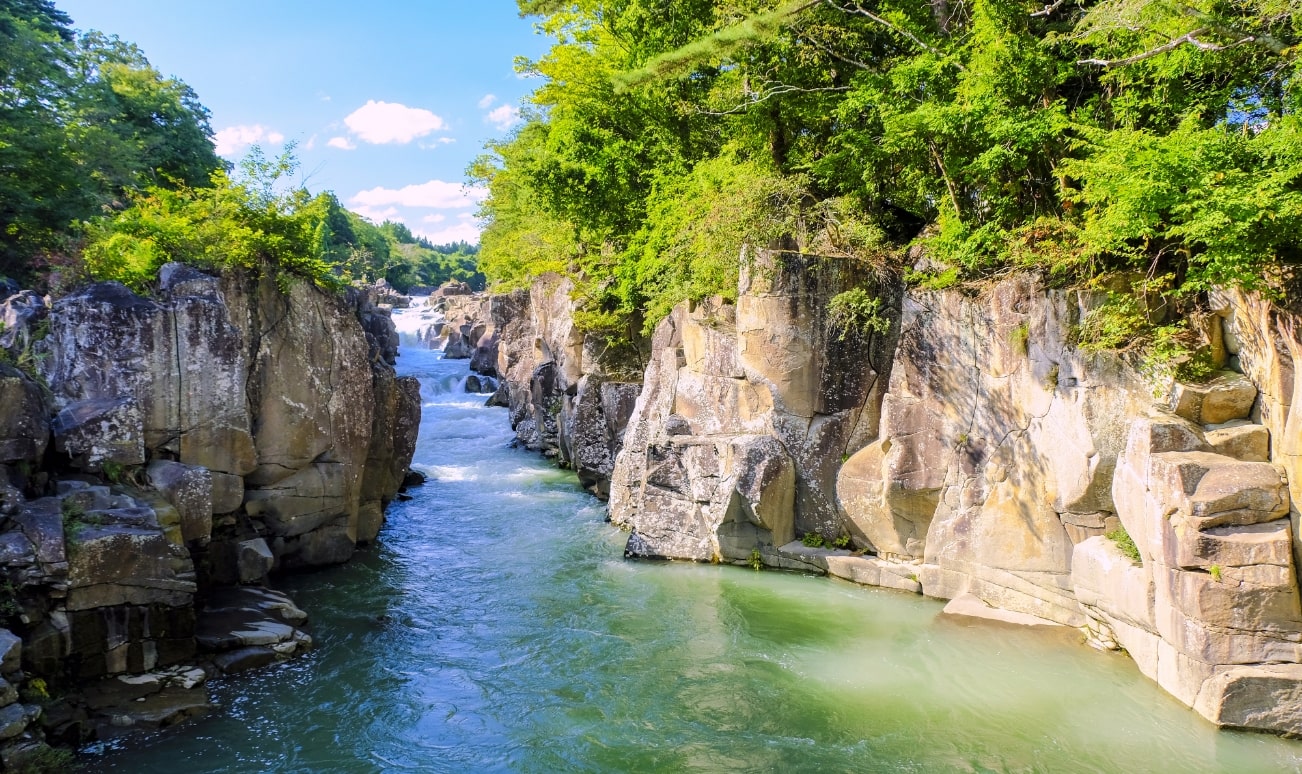
This scenic spot was highly praised by Date Masamune.
Flying dumpling experience
Ichinoseki In the valley of Genbikei Gorge, a 2-kilometer-long valley of oddly shaped rocks, huge rocks, potholes, abysses, and waterfalls, is located in the southernmost part of the city of Genbikei. The emerald green surface of the water and the beauty of the formations created by nature are very mysterious, and it is known that Masamune Date, the first feudal lord of the Date Clan, was a great admirer of the area.
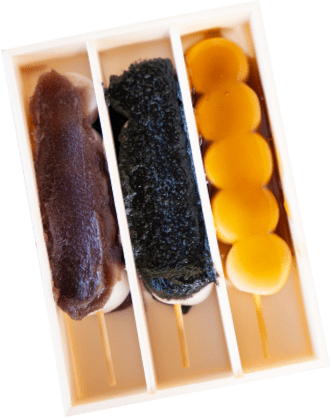
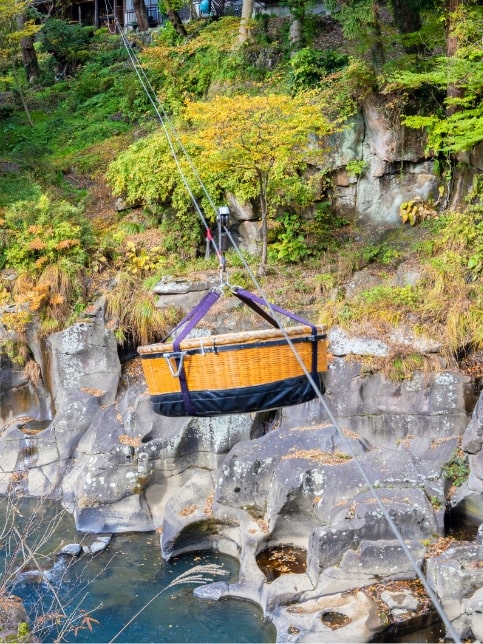
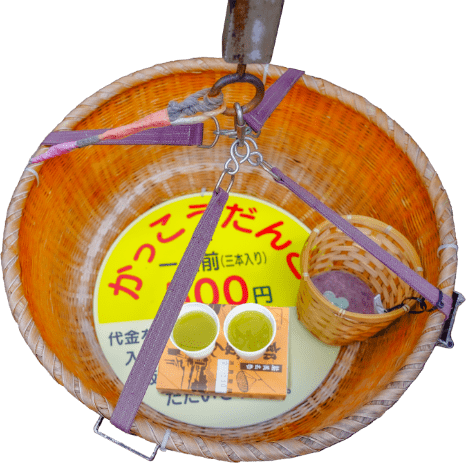
A specialty of Genbikei is the flying dumplings, or "Kakko Dango." Three kinds of dumplings with red bean paste, sesame, and mitarashi sauce, made by Kakkoya, a company founded in 1878 (Meiji 11), are carried together with tea in baskets and cables to the other side of the valley. What's more, it's amazing how the tea doesn't spill even though it goes at such a high speed. It's a bit of entertainment.
*Kakoya is closed for the winter from December to early March

Recommended Hotel
Recommended hotels
Highly rated in the 2023 Hot springs Inn and Hotel General Election!
Taste mochi and enjoy Horyu Hot springs
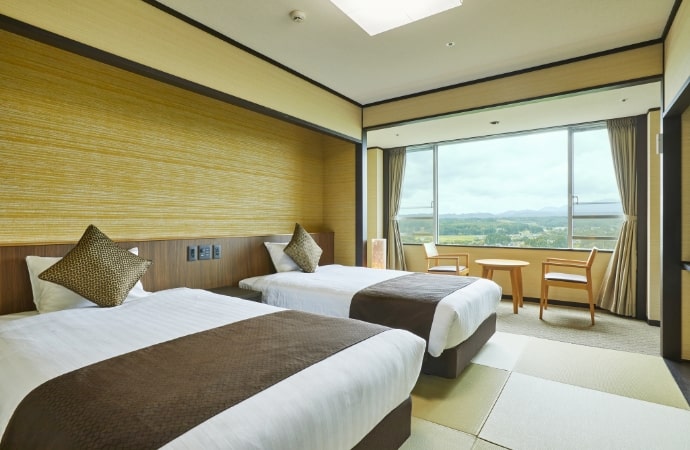
KAMENOI HOTEL ICHINOSEKI
A breakfast buffet where you can casually experience mochi-eating culture
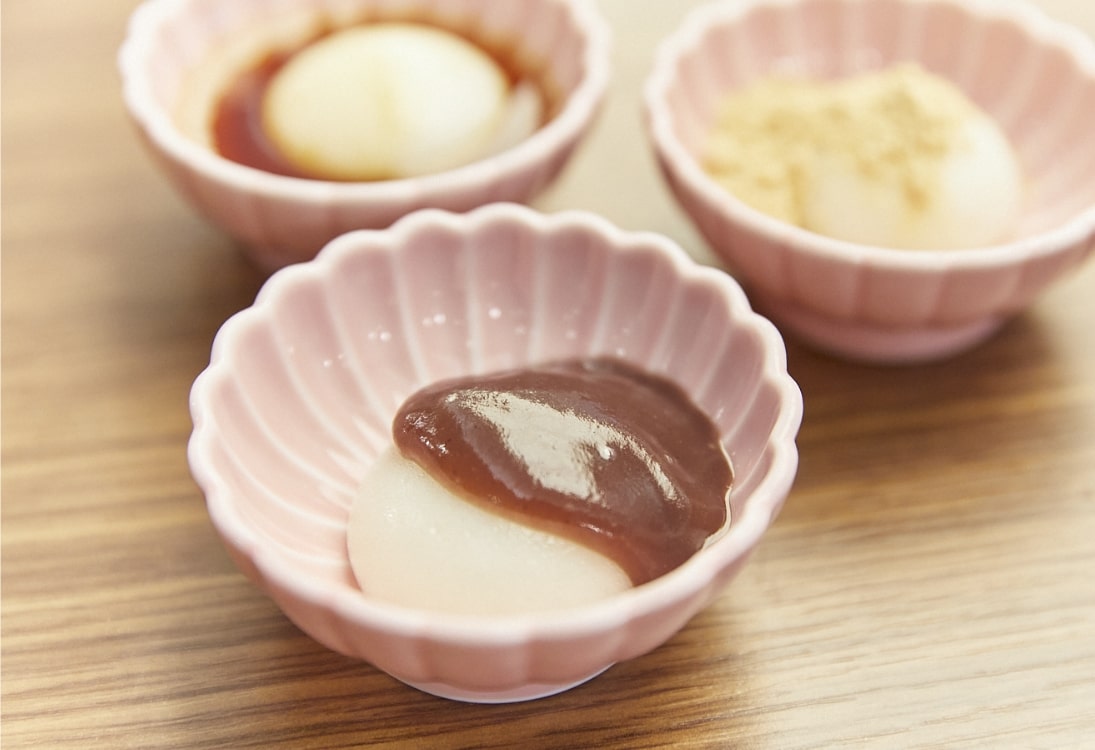
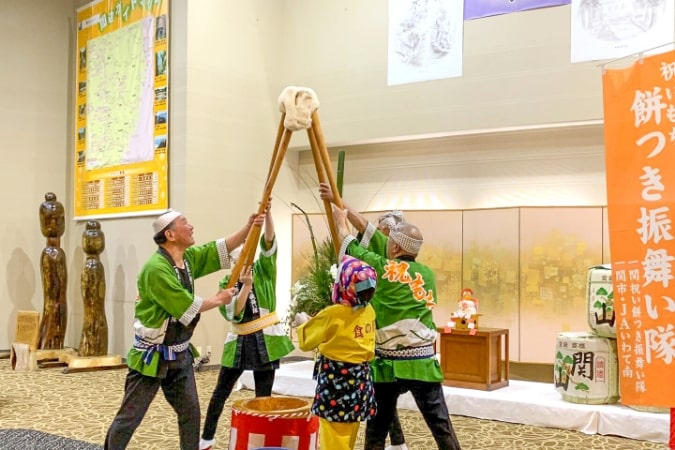
For those who want to try a variety of freshly pounded mochi during their trip, we recommend the breakfast buffet at KAMENOI HOTEL ICHINOSEKI. Three different types of bite-sized mochi are available every day. Depending on the season, the lobby on the first floor also hosts a participatory mochi-pounding event led by the "Iwai Mochitsuki Furitei-tai." It's fun to watch everyone lift up the pounded mochi, and you can enjoy freshly pounded mochi mixed with zunda, walnuts, pumpkin, and more.
*The mochi-making event is scheduled to take place from autumn to spring. Please see the hotel's official website for details.
Remembering the legend
Relax in Hot springs
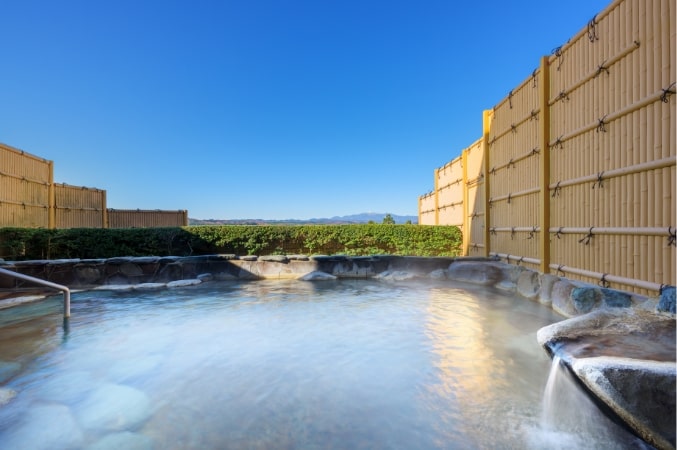
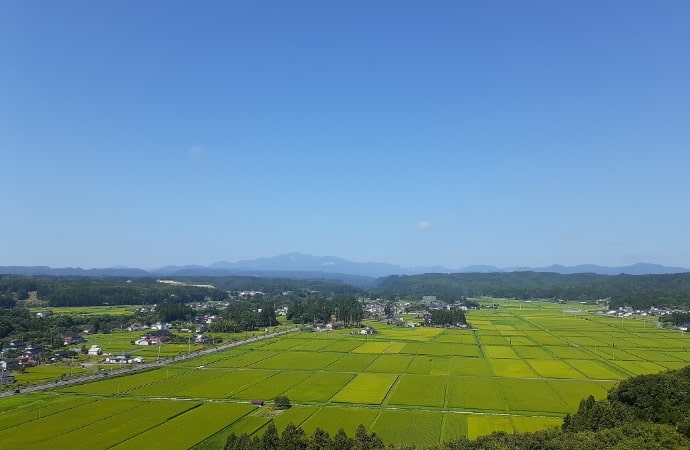
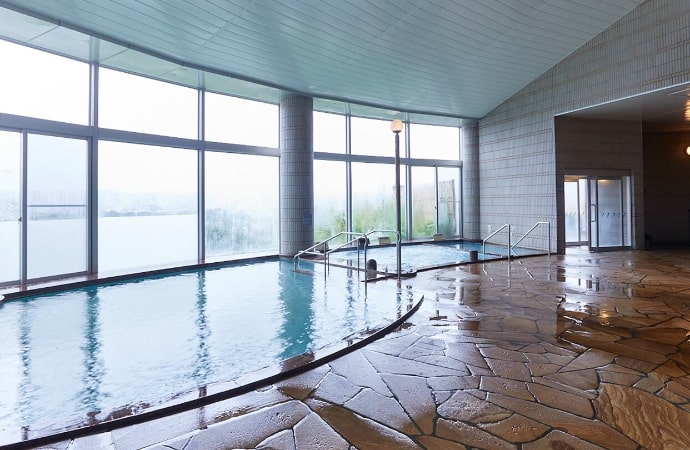
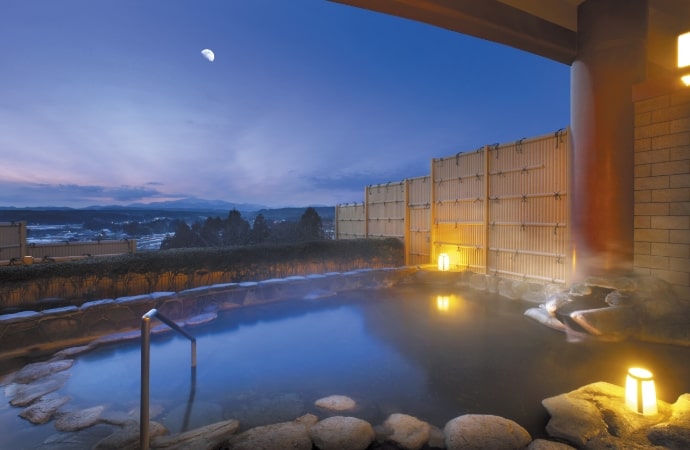
KAMENOI HOTEL ICHINOSEKI has Hot springs called Horyu Hot springs. The name comes from the fact that after a prayer for rain, a dragon ascended to heaven and brought merciful rain, and this place was called Horyu. When you soak in Hot springs while imagining a dragon rising high into the sky, you will feel like something good is going to happen. Enjoy a relaxing time in the open-air bath with a view of Mount Kurikoma.
Nearby Spots
Nearby spots
900 years since the construction of Chusonji Golden Hall,
Visit the glorious Heian period
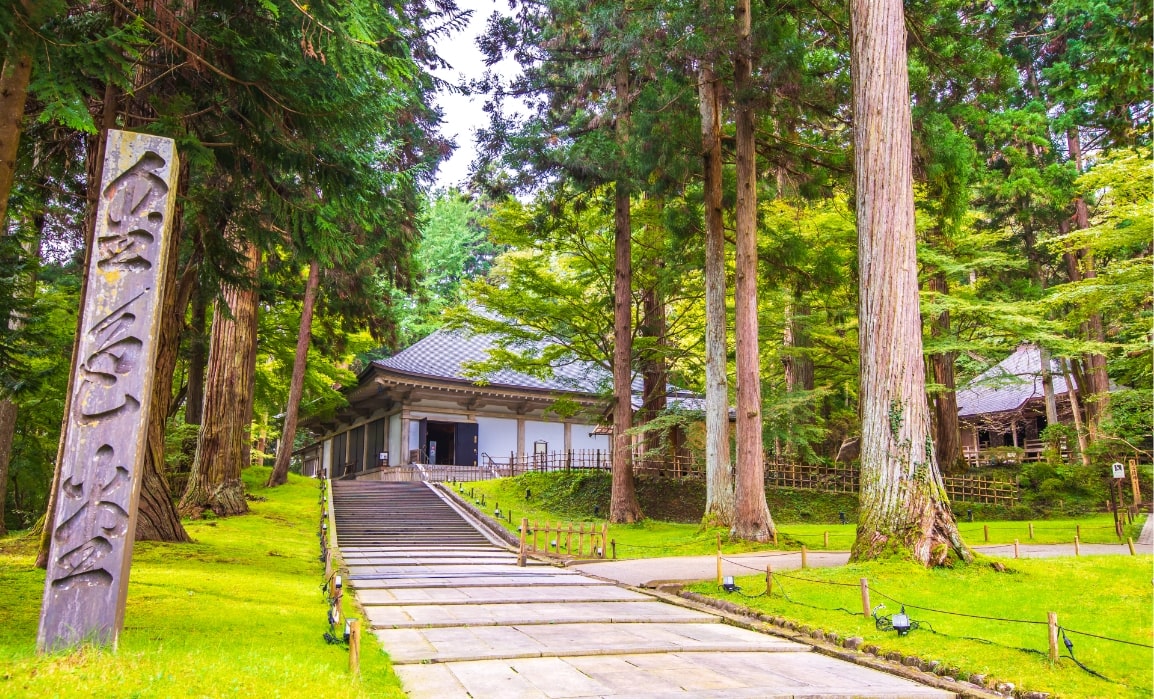
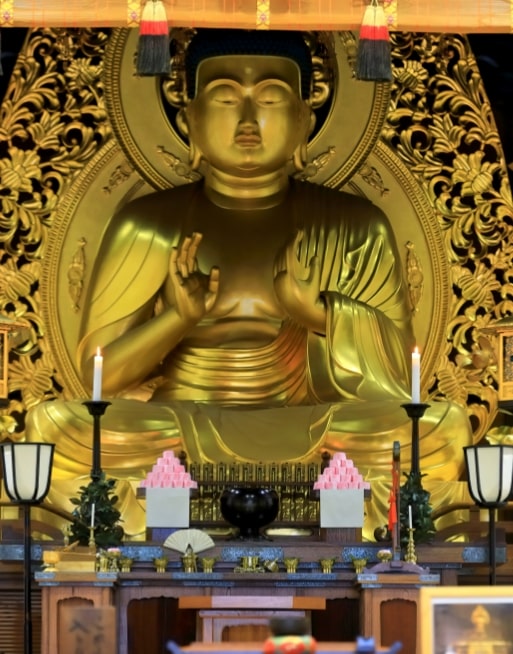
One of the world's most famous travelogues is Marco Polo's "The Travels of Marco Polo." It is well-known that Japan is referred to as the golden country of Zipangu in this book, and it is said that this was named after the gorgeous Golden Hall of Chusonji Temple. After learning of this story that stirs up the travelling spirit, you will want to visit the World Heritage site of Chusonji Temple. If you search the Internet immediately, you will only find similar photos because photography is prohibited inside the Golden Hall. This makes you want to see it with your own eyes. If you actually step inside the Golden Hall, you can burn the gold leaf-covered hall and beautiful mother-of-pearl work into your memory, which was once the envy of Westerners.

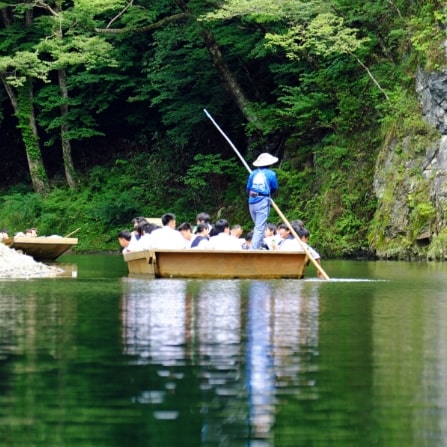
Geibikei Gorge Boat Ride
It's a dynamic boat ride between cliffs over 100m high. Listening to the boatman's boating songs, the sounds of the birds and the wind is a very soothing experience.
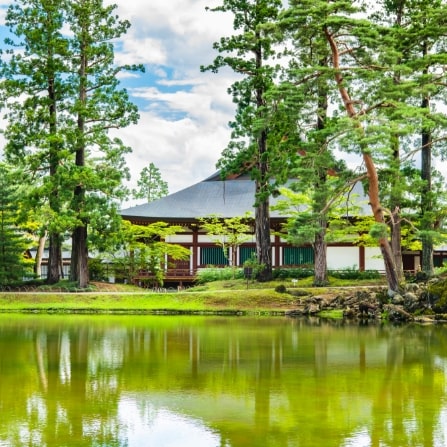
Motsuji Temple
This temple was founded by Jikaku Daishi Ennin and is a World Heritage Site. The Pure Land garden and the remains of the temple buildings from the Heian period have been preserved almost perfectly.
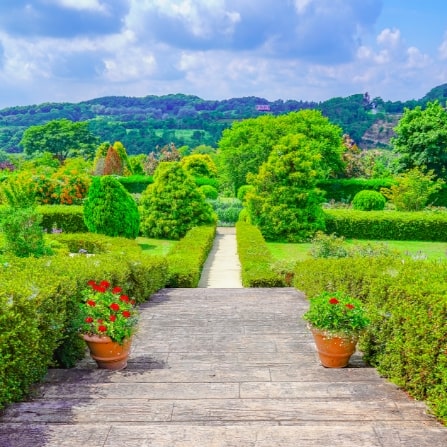
Ark Tategamori
A facility that handles everything from agriculture and livestock farming to manufacturing, processing, sales, and eating and drinking. It includes a ranch where you can interact with animals, a flower garden, and a restaurant.