

![[Official] KAMENOI HOTEL AKO](/ako/common/img/logo/jpn_basic.svg)
Sightseeing
We will introduce Sightseeing information unique to Ako Ako-shi, where you can experience nature, culture, and more, recommended by our staff.
 Ako-shi
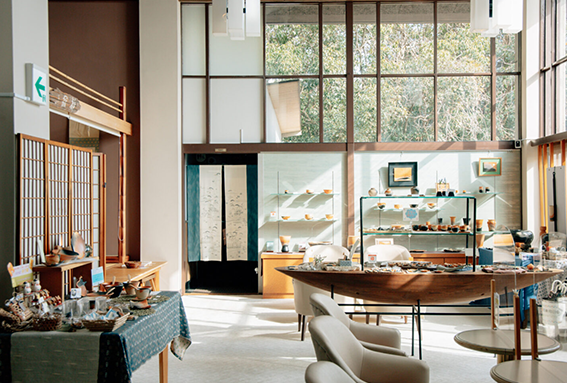
Momoi Museum & Cafe
The Momoi Museum displays Ako 's traditional craft, "Unka ware." It is located on a hilltop overlooking Ako Misaki, and offers a serene view of the islands of the Seto Inland Sea. In addition to Unka ware, the museum also displays everyday items and art that were used by the Momoi family ancestors, as well as Ako Dantsu carpets.
- 10 minutes walk from the hotel
 Ako-shi
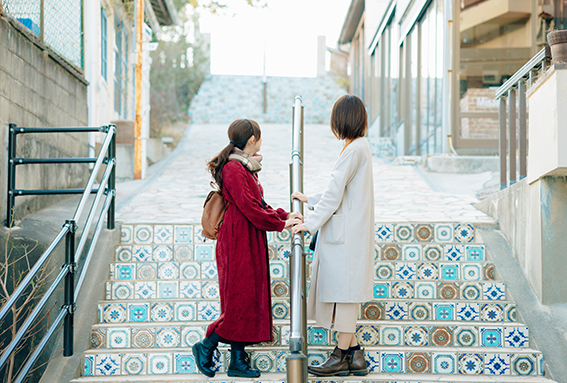
Kirakira-saka
"Kirakirazaka" is a slope that connects Iwatsuhime Shrine to the Seto Inland Sea. Along the road, there are cafes, gelato shops, glass houses, photogenic spots, and cafes with spectacular views. It's a popular spot, especially on social media.
- ホテルから車で約5分
 Ako-shi
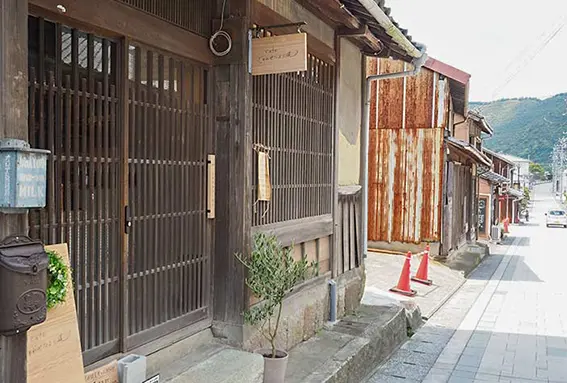
Shiawase na Yorimichi
Cobblestones, townhouses, and other townscapes that have remained unchanged for decades remain Ako-shi Sakoshi. At "Cafe Shiawase na Yorimichi", which is a renovated townhouse in one corner, you can enjoy cakes and drinks made by pastry chefs.
- ホテルから車で約11分
 Ako-shi
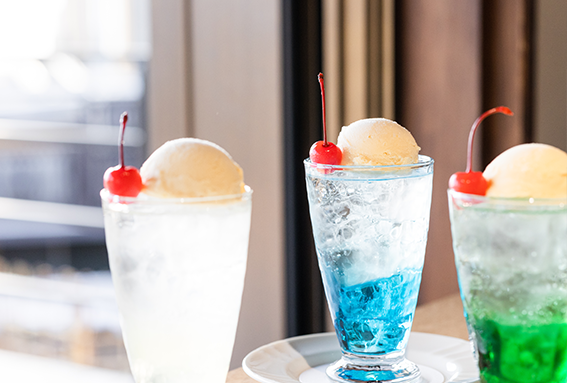
AMAMI TERRACE
A café operated by AKO KASEI Co., LTD. which manufactures and sells chemicals centered on salt and drinking water and food products processed from deep sea water. It is located in the precincts of Iwatsuhime Shrine.
- ホテルから車で約5分
 Ako-shi
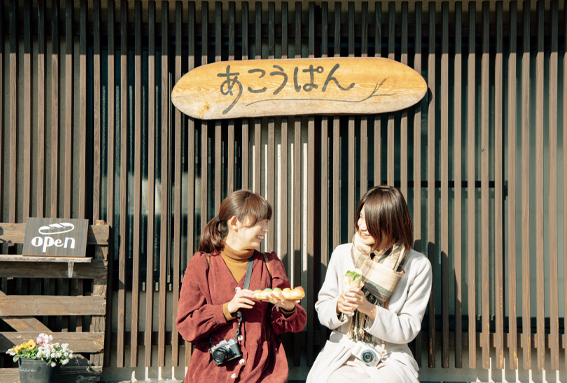
Akopan
This community-based bakery offers more than 250 varieties of bread every day. Using the ingredients cultivated with care by producers to create original breads. There are cute spots such as the store sign and the curtain, so enjoy taking pictures outside the store with the bread you bought.
- ホテルから車で約8分
 Ako-shi
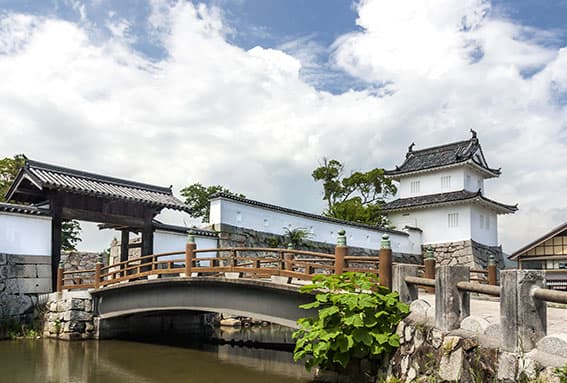
Ako ruins
Ako Castle is a coastal flat castle built over a period of 13 years starting in 1648 by Ako Asano, the first lord of the Asano family of the Ako domain in Harima Province.
Generally, early modern castles have a rectangular shape with straight lines, but Ako Castle has a very unusual curved outline. It is characterized by a structure with a strong focus on war, such as a moat that bends in a complicated manner, stone walls that draw curves, and gates that follow angles.
- ホテルから車で約10分
 Ako-shi
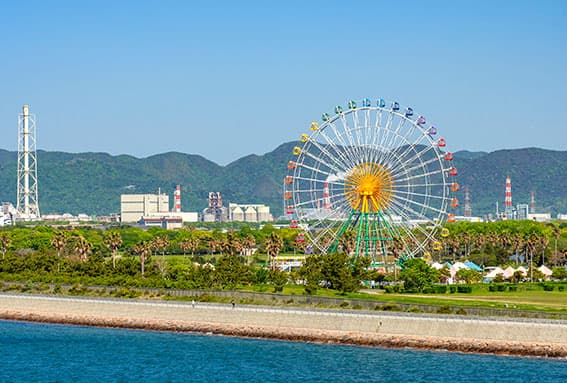
Hyogo Prefectual Ako Seaside Park
A place of relaxation on the site of a former salt farm facing the Seto Inland Sea
This seaside park is full of Ako 's charms and can be enjoyed by both children and adults.
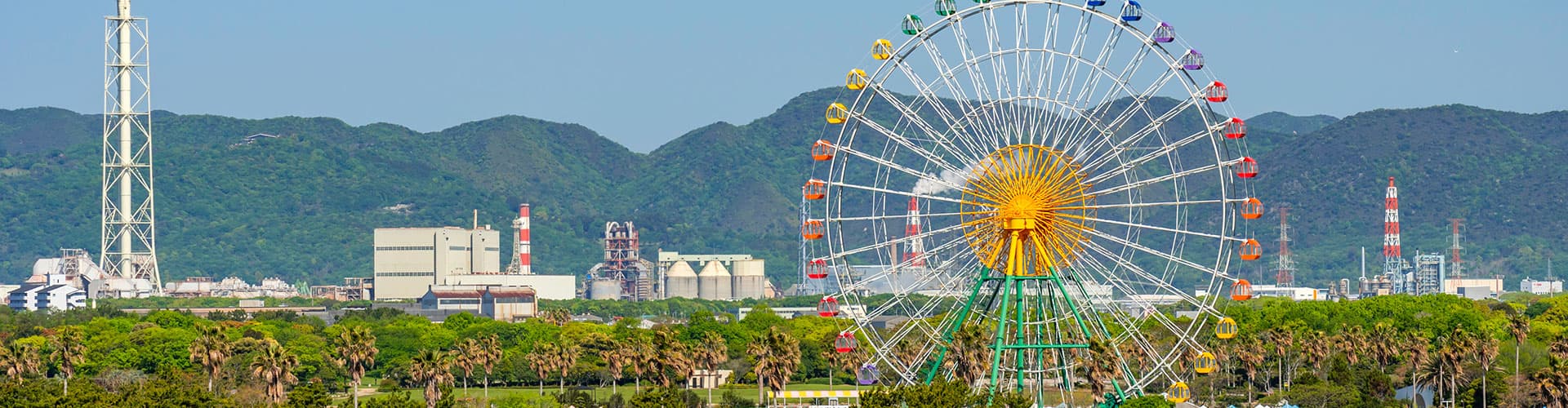
"Tateho Waku Waku Land", an amusement park with a wide variety of attractions, is popular with children. You can see Shodoshima island and the Ieshima Islands from the 50m high Ferris wheel. The two large artificial lakes in the center of the park are named `` Ako Lake'' and ``White Lake'', which are named after the ``red'' of the knotweed, which is the origin of Ako 's name, and the ``white'' of salt, which is the symbol of Ako. We also recommend relaxing on a boat.
- ホテルから車で約5分
 Ako-shi
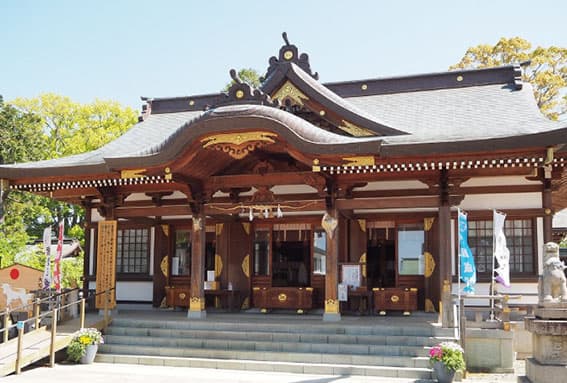
Ako Oishi Shrine
It was built in 1912 on the site of the mansions of Kuranosuke Oishi and Matazaemon Fujii. The enshrined deity 47 warriors, including Kuranosuke Oishi, worked hard for 1 year and 10 months to avenge the lord's death, and as a result, the shrine is revered by people all over the country as the god of ``the fulfillment of great wishes'' and ``the fulfillment of one's heart's desires.'' . Also, don't miss the Gishi Wooden Statue Hall, which houses wooden statues of 47 samurai warriors created by top sculptors, including Order of Culture recipient Hiragushi Denchu.
- ホテルから車で約10分
 Bizen City
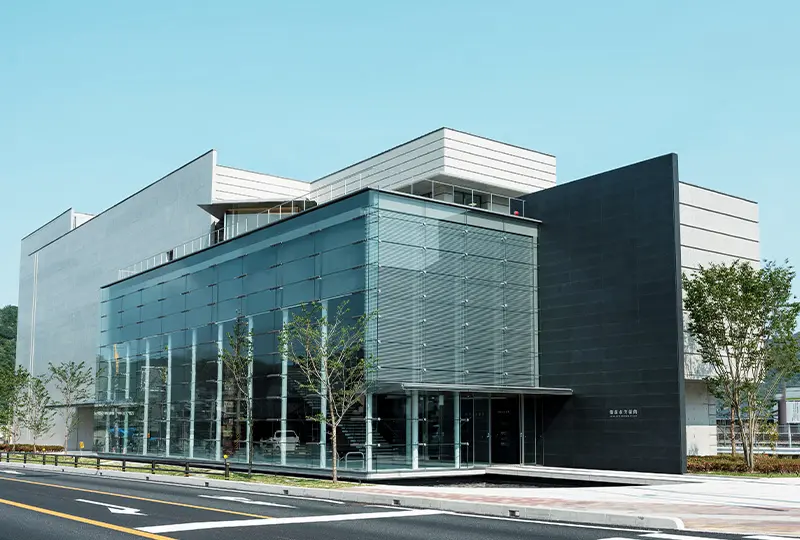
Bizen City Museum of Art
The grand opening is scheduled for July 12, 2025. As a new cultural hub that combines the traditions of Bizen ware with contemporary art, it is a recommended spot for art lovers, as well as tourists and architecture enthusiasts.
 Himeji-shi
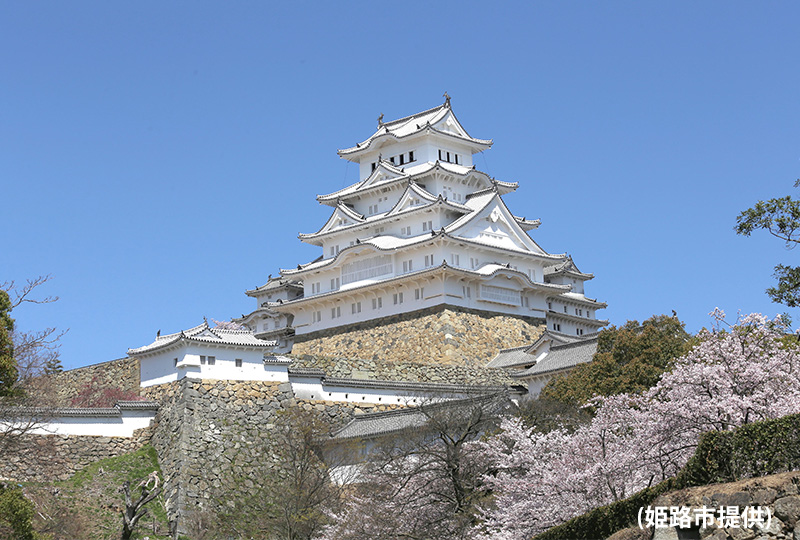
Himeji castle
Over 400 years, from a Japanese treasure to a world treasure
In December 1993, National Treasure Himeji Castle became Japan's first World Cultural Heritage Site, along with Horyuji Temple in Nara.
Himeji Castle is nicknamed ``White Heron Castle'' because of its graceful appearance that resembles a white egret spreading its wings.
It is characterized by its bright white castle walls made entirely of white stucco and a 5-storey, 6-story, basement-level large castle tower, and a continuous castle tower with east, west, and west-north smaller towers connected by a turret.
- ホテルから車で約60分
 Himeji-shi
Shoshazan Engyoji Temple
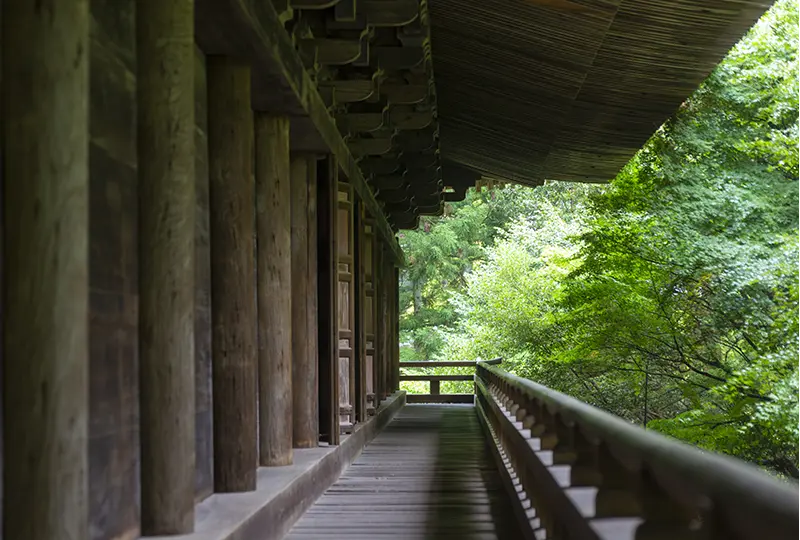
Shoshan Enkyoji Temple, an ancient Tendai sect temple founded by Shōkū Shōnin in 966. The temple grounds, also known as the 'Western Hieizan,' are located atop Shoshazan and are Access by ropeway. From the summit, you can enjoy panoramic views of Himeji city and the Seto Inland Sea. Highlights include the stage construction of the 'Mani Hall' and the majestic National Important Cultural Property 'Three Halls' (Grand Lecture Hall, dining hall, and Jokodo hall), which served as a filming location for Hollywood movies.
- ホテルから車で約50分
 Tatsuno City
Tatsuno Park Momijidani
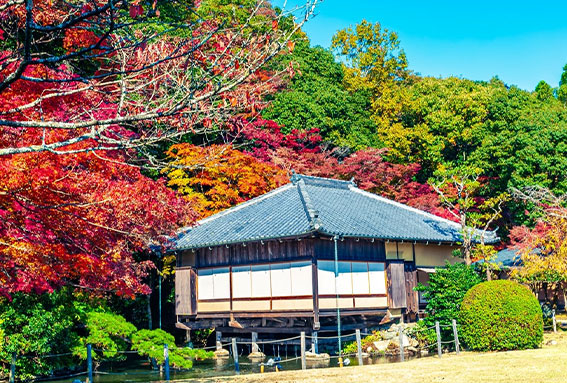
About 600 maple trees are planted here, and when the leaves turn red, the scenery looks as if it is burning. On the way from Shuentei to the Literary Path and Children's Song Path, there is a monument to the poem "Akatonbo" by Miki Rofu.
- Best time to see autumn leaves: late November to early December
- ホテルから車で約40分